


The University of Sussex has overturned a record £585,000 fine imposed by the higher education regulator after a High Court judge found that the Office for Students (OfS) had approached its investigation with a “closed mind”.
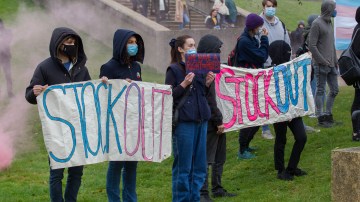
The case stemmed from an OfS inquiry into Sussex’s compliance with its duties on free speech and academic freedom, launched after protests in 2021 against former philosophy lecturer Dr Kathleen Stock. The regulator concluded that the University’s policies risked creating a “chilling effect” on lawful speech and imposed its largest financial penalty at the time.
However, Mrs Justice Lieven ruled in favour of Sussex, finding that the OfS had “misdirected itself” in law and had failed to carry out its assessment with sufficient openness and fairness. The judgment effectively quashes the regulator’s findings.
Court documents highlighted concerns over the conduct of the investigation, including claims that Sussex requested meetings with the OfS on at least nine occasions, all of which were refused or went unanswered. The University also said the regulator did not interview any students or academic staff and declined invitations to visit the campus.
In a statement, Professor Sasha Roseneil, the Vice-Chancellor, said the ruling was “a good day for the University of Sussex, and a good day for everyone who cares about the proper and effective governance and regulation of universities”.
She said the investigation had taken place in the context of demonstrations relating to Dr Stock’s presence at the university, while stressing that neither the investigation nor the judicial review concerned her personal experience.
Roseneil said Sussex had consistently argued that the regulator took an “erroneous and absolutist approach to freedom of speech”, failed to recognise existing protections for academic freedom, and pursued what she described as a “torturous three and a half year long investigation with a ‘closed mind’”.
Sussex Students’ Union said the ruling was “a huge win for Sussex”, adding that the University had “stood proudly on the side of our trans and non-binary community in a far-right political landscape”. It said the implications could be “far-reaching” for higher education, academic freedom, and the powers of the regulator.
The ruling is expected to intensify scrutiny of how the OfS conducts investigations and the extent of its intervention in university governance.