

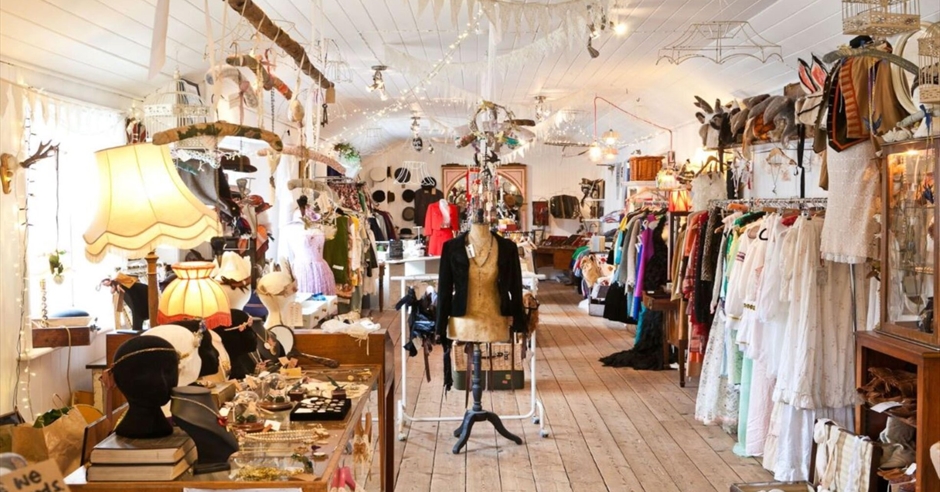
Brighton, that sunny (for the most part) seaside town that never fails to amaze. Around every corner lie a variety of shops and styles that you won’t be able to see anywhere else in Britain. This city has always been loud and proud since adopting the mod subculture of the 1960s, running with the unapologetic boldness distinct to its era. To this day, the population of Brighton honours its quirky, unique nature, maintaining the style the town has always been known for, prioritising sustainable practices like charity shops and Vinted.
Despite Brighton historically being a bubbling point for various styles and cultures, the Mod subculture of the 1960s has always been one of the most significant. Cruising around on Vespas, in knee-high boots, and in pinstripe suits, a clear image of a Brighton icon was created. The mods were predominantly groups of working-class individuals dressed in an extravagance previously exclusive to those considered more ‘proper’.
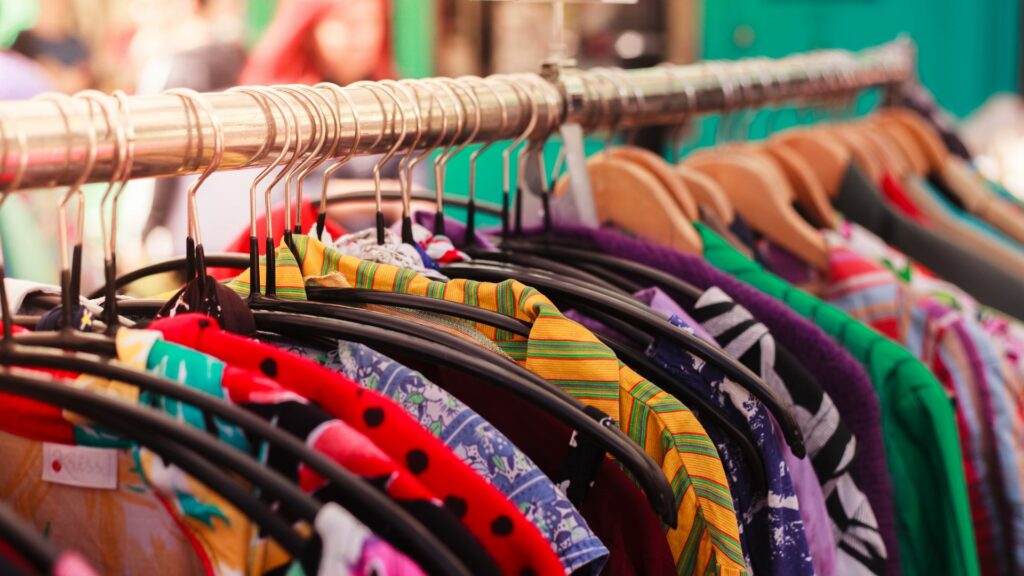
In an environment that shunned them, they turned to Brighton as their sanctuary. It wasn’t just the mods who had a major influence on Brighton; the punks of the 1980s also had a strong presence in the seaside town. The shift from the bright presence of the mods to that seen in punk was due to sociocultural factors. With unemployment on the rise, overall optimism had dwindled. The punk movement was also influenced by political standpoints, including sustainability, which, contrasting mod fashion, had a further preference towards upcycling and reusing.
These influences have maintained their hold over Brighton, as is clearly evident when walking through the North Laine any day of the year; you’re sure to have your eyes drawn to a new, unique yet fabulous style every time. This diversity in style and subculture has only been amplified by Brighton’s universities, bringing in people from all walks of life, including international communities, to go along with it. Dominant styles tend to align with the past influences of thrifting and upcycling, as secondhand, dubbed ‘vintage’, isn’t shamed or stigmatised.
In fact, there is a sense of pride in being sustainable, with apps such as Vinted and Depop gaining traction in recent years. Pieces are chosen intentionally – Fashion today continues to be a celebration of individuality. Behind this is something more significant than trend, the genuine interest in sustainability amongst younger consumers. The growing discomfort with the global environmental impacts of fast fashion is more evident than ever, and, much like the mods and the punks before us, this generation refuses to let its voice be heard.
From the Mod on his Vespa to the student scrolling Vinted between lectures, Brighton’s fashion history is a sociopolitical movement that is loud, proud, and here to stay.
Another article you may enjoy – https://thebadgeronline.com/2026/02/brighton-piers-a-brief-history/
