

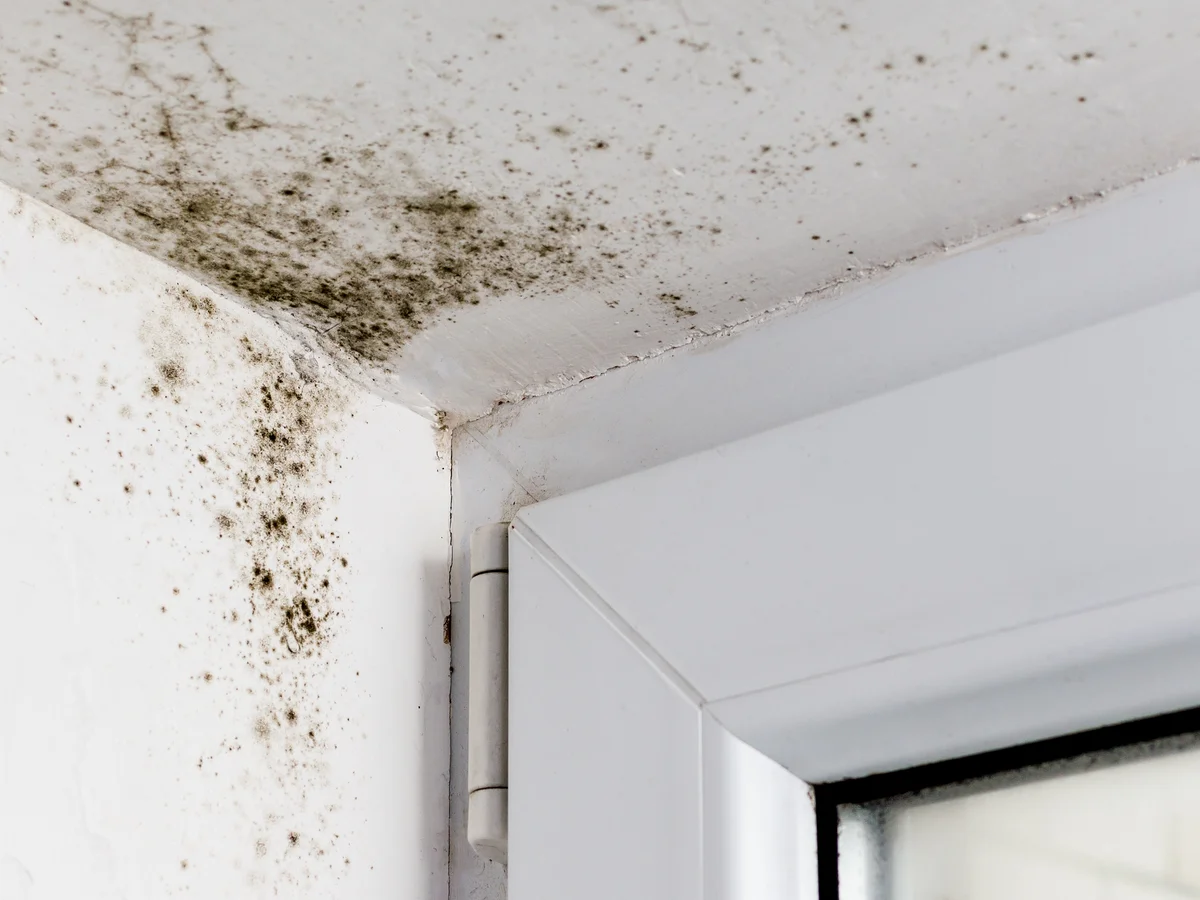
Students have reported feeling disrespected and demoralised after being forced to live in mould-filled homes, even after moving into privately rented housing. In a recent survey of University of Sussex students, The Badger found that 82% of respondents had experienced living with these issues. Many students also alleged that, despite asking for help, they were ignored and expected to reside in these hazardous conditions for months.
One student reported battling black mould on their bathroom ceiling since moving in. The problem worsened when water began leaking through the extractor fan. As a result of the leak, their fuse box tripped, rendering all the upstairs lighting unusable. Allegedly, the property manager refused to address the complaints of mould and damp, only sending an electrician to fix the lights.
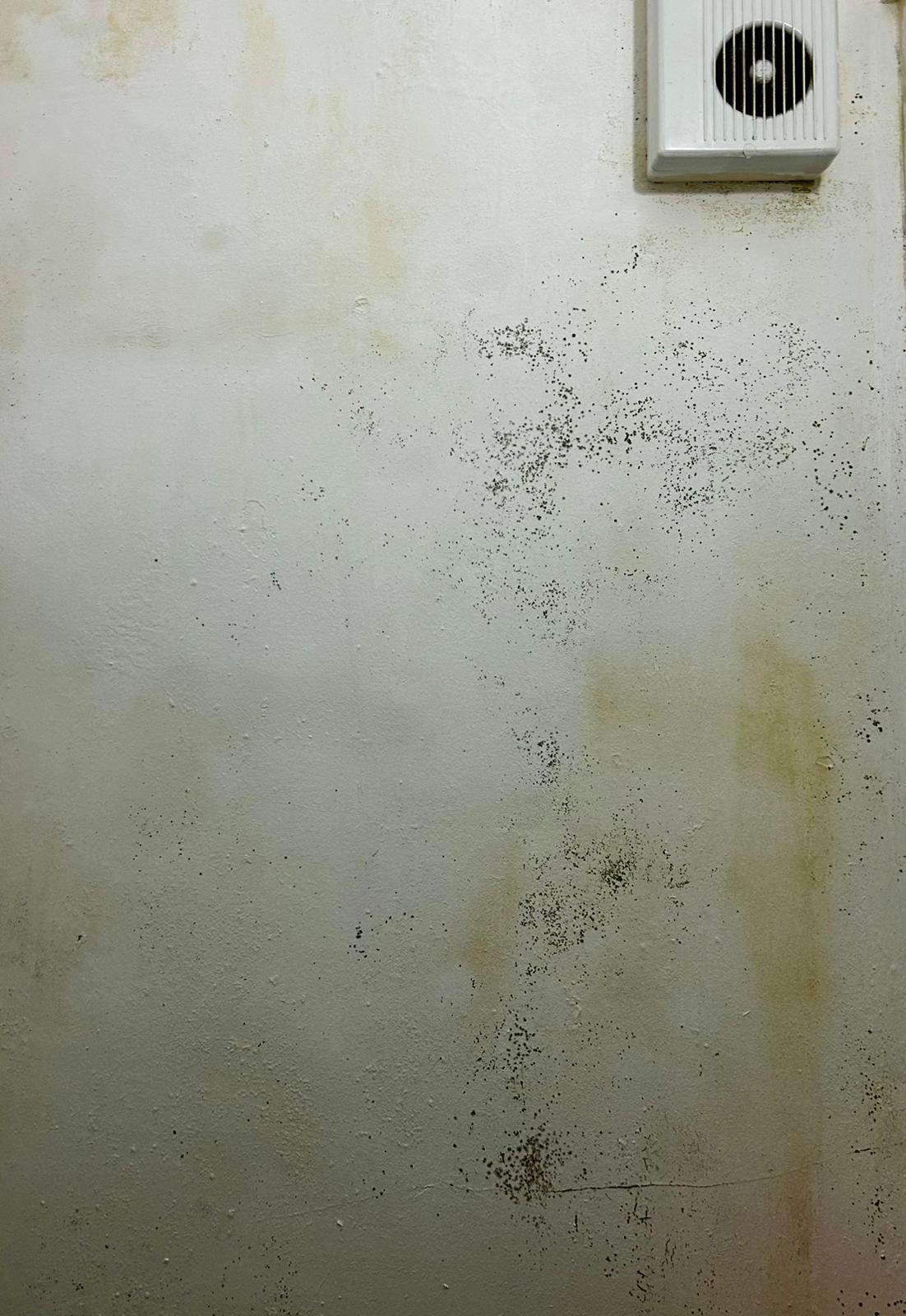
The student explained that “the extractor’s components were completely rusted, and the ceiling soaked through and mouldy throughout. The extractor was removed, and the wires clipped so we could use the lights. However, we’ve been left with a hole in our mouldy ceiling ever since. We’ve showered with the windows open throughout the winter, and wipe the mould weekly, but it feels pointless as long as the property managers avoid fixing the actual problem. In the meantime, who knows what this is doing to our health?”
Another student disclosed that, “one day, I got back to Brighton after visiting home for a few days. Before I went to sleep, I noticed that my bed frame was covered in mould. I took the sheet off my mattress and realised that there was mould growing all around the edges of my mattress. It was honestly just disheartening and puts me off coming back to Brighton.”
There are a few theories as to why mould and damp cause significant problems in Brighton. The area is damper than other locations in mainland UK due to the sea air. Additionally, it has been theorised that the salt from the sea air erodes surfaces more quickly, breaking down the barriers that should protect a home. The amount of old properties in Brighton also increases the likelihood of damp, with many terrace homes having been built before modern damp-proofing techniques came into practice. Furthermore, Brighton and Hove News reported that almost one in three Brighton and Hove homes are privately rented, according to census figures in 2023. Due to this, many houses are poorly maintained and left in conditions that encourage the growth of mould.
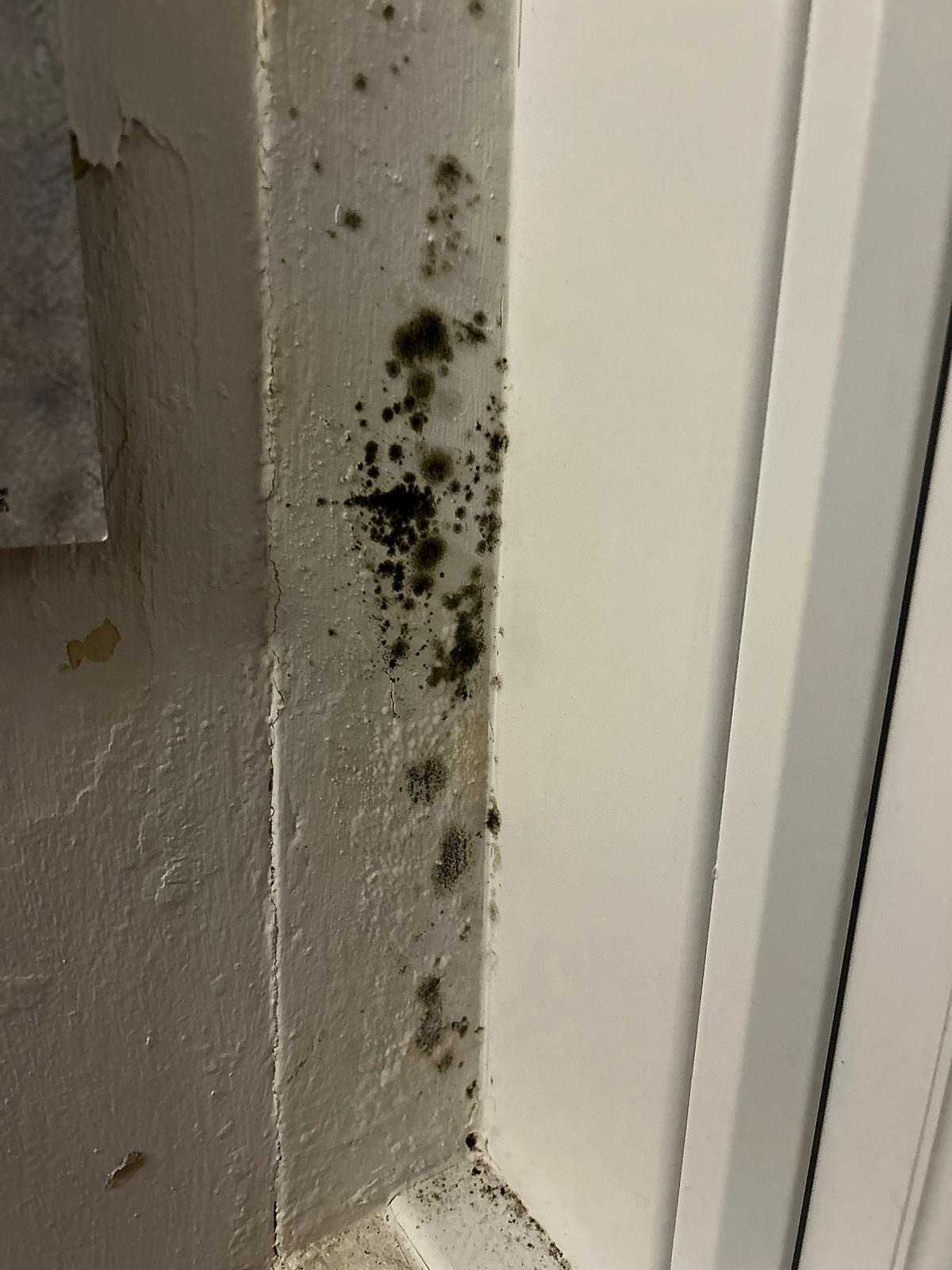
In October of 2025, Awaab’s Law was enforced by the government. Named after a two-year-old who sadly lost his life due to prolonged mould exposure, the law dictates that hazardous living conditions must be dealt with under much quicker time frames. The Gov.UK website outlines that landlords must investigate significant damp and mould within 10 working days of being notified and then make properties safe in five working days. However, these new rules only apply to social housing, leading to questions about why private letting agents are still getting away with not taking accountability for unsafe housing.
In late January, The Guardian reported that the government’s Decent Home Standard for private renters (a standard which would ensure that private renters can live safely and comfortably in their homes, with landlords facing potential fines for any breaches) will be pushed back from the original date of 2026 to 2035. This means changes will not be expected to be implemented for another decade. The article quotes campaigners who call this decision “absurd” and “outrageous”. Students, the working class and minority groups are disproportionately affected by these housing issues and the lack of urgency in imposing these standards suggests that their safety is not a priority for the government.
With extortionate prices already influencing students’ every move, it is even more frustrating that they are expected to live in these substandard conditions. In late 2024, BBC News reported on government statistics that Brighton is one of the least affordable places in England to rent property, with other reports finding that many students spend over £700 a month on rent.
One student reflected on this saying, “I understand that living in rough conditions is part of the uni experience with not much money, but given the amount we are paying to live in Brighton, I wouldn’t expect to live with the risk of health issues. I work part-time along with my studies in order to afford necessities like travel and food, but rent is the majority of my expenses, so I feel I should at least be treated with a level of respect that is not being met by my current living conditions”. It seems understandable that students are upset; maybe they would not mind cleaning mould from their houses so often if they weren’t paying around £700 a month for the privilege.
Another difficulty students face in deterring mould is that, in the current climate, preventative measures can be costly. The student went on to say that they had followed their letting agent’s advice to keep the house warm and dry by running the heating and using a dehumidifier. However, they report that they were contacted by their letting agent and told that they were exceeding their monthly electricity usage allowance, which would incur additional charges at the end of their tenancy. This only exacerbates the problem, with many students afraid to heat their homes the necessary amount due to a lack of funds.
University-run housing is not immune to this problem, but in some cases seems to have addressed issues of mould in a serious and timely manner. A third-year student reflected on her experience with mould throughout her time as a student, praising the university for its response. “After I reported the mould, I was instantly moved into a new temporary flat on campus. I was given frequent updates as to when I’d be able to move back in, and then my room had mould treatment done to it and a fresh coat of paint!”
However, this quick and effective response is not always the case. Sussex’s Students’ Union Housing Officer, Elena Southard, explains that university housing organisers are often still ignoring the root cause, choosing to instead blame the students inhabiting the spaces. She disclosed that, “A common response we see students getting is being told not to dry clothes in their room, and to make sure they’re properly ventilating, rather than conducting proper investigations and treating the source. This continues a trend of patronisingly blaming students for issues that run a lot deeper, and are frequently a result of poorly managed accommodation. Add to this the fact that on-site laundry costs are extortionately high, the criticisms directed at students are not only unfounded but tone deaf to the current living situations they face.”
Elena goes on to reflect upon students’ struggles with private rentals during their further years of study, saying, “It’s a similar story in the private sector, where landlords blame students rather than resolving the issues or acknowledging that there could be root causes, despite Brighton infamously having high issues with mould and damp. I think it can unfortunately often be attributed to students commonly not being aware of their rights when it comes to housing, particularly as student housing has always had a bad rep, so people can assume it’s just ‘part of the experience’.”
Elena and the Student Union are aiming to raise awareness about students’ rights in these scenarios and are offering their services to anyone who needs advice. “The SU is working to empower students to realise that they deserve way better, so we encourage anyone with issues from stubborn landlords to downright dire conditions to reach out and let us support you – either through reaching out to the Student Living & Sustainability Officer, or through booking a slot with our independent advice team through our website.“
It is not only students in Brighton who are suffering from mouldy housing. In 2025, these conditions inspired a group of students at Bristol University to start a campaign called Break The Mould. This initiative is calling for a way to review landlords and rental properties online so that future students aren’t blindsided by substandard living conditions. It is clear that many young people are tiring not only of their living conditions but of the assumption that it is something they must put up with as part of the university experience.
While it is disheartening to think that this problem is affecting students nationwide, it is also important to acknowledge that you are not alone. With many students now speaking up about these struggles, it goes to show that young people are not voiceless and is hopefully indicative of forthcoming change.
Another article you may enjoy – https://thebadgeronline.com/2026/04/sussex-triumphs-in-major-legal-victory-over-free-speech-ruling/