

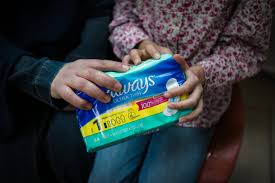
As the Gaza conflict continues, a significant lack of resources remains, including menstrual products. Approximately 700,000 women and girls in the Gaza Strip are of menstruation age, with over 10 million period pads being required a month, as estimated by the United Nations (UN). Less than a quarter of this is available; to compound this, there is a lack of clean water and other hygiene supplies. This has left many struggling significantly, often resorting to the use of old clothes and fabrics. These are often reused without being rewashed. Combined with an unsanitary environment, infections, such as urinary tract infections, are very common.
The UN has estimated that displacement shelters have around 400 individuals sharing a bathroom, contributing to long waits and unhygienic conditions. This further poses health risks and results in emotional distress. Women have described limited medical care and overwhelmed doctors, with only extreme cases being treated. Doctors often lack basic antibiotics and painkillers. As a result, many women and girls suffer from intense pain and untreated infections. This contributes to the deterioration of their physical and mental health.
Doctors often feel helpless, as one described to UNFPA, witnessing women experience menstruation, pregnancy and childbirth in “degrading conditions”. Crowded displacement shelters limit privacy. This prevents women and girls from feeling able to use the bathroom or take care of themselves. This is particularly difficult for girls experiencing their first period, who must navigate this new experience in such an unhygienic environment.
Women and girls describe the lack of privacy as humiliating, particularly as this topic is already considered taboo within Gazan culture. Their crowded environment means that often, many people are aware that they are menstruating, contributing to feelings of shame.In 2023, when aid deliveries, including hygiene supplies, were restricted, it disproportionately impacted women and girls. While organisations such as UNFPA have worked on providing menstrual and hygiene supplies, it still fails to meet demand.
This is also a point towards a broader systemic issue where responses to crisis situations often exclude women from decision-making and resource allocation. Women’s health, including menstruation, is often viewed as secondary in humanitarian care. Therefore, in times of limited resources, it often flies under the radar. Without sufficient menstrual and hygiene support, women and girls in Gaza face escalating physical, reproductive, and psychological risks, underscoring a largely hidden humanitarian crisis.
Another article you may enjoy https://thebadgeronline.com/2026/03/free-speech-on-trial-university-of-sussex-takes-on-the-office-for-students/
