


Having your own bespoke skincare routine has become a staple for many people. TikTok, an app where users can create short videos, may be the first place you look when in need of a new skincare recommendation. Unfortunately, many of these recommendations come as the result of brand endorsements or simply fail to provide credible evidence that the product works. I wanted to investigate a couple of these viral products.
Due to the 13-plus age tag for TikTok, many of the users are quite young, opening the way for a young, impressionable audience to be bombarded with the intense and ever-changing beauty standards promoted by adults on the app. This is why anti-acne and anti-ageing skincare products are incredibly popular, especially when considering teenage insecurities. Whilst there is nothing inherently wrong with suggesting a variety of products to help others out, these suggestions don’t usually come from a professional dermatologist or with all the information a prospective customer should know.
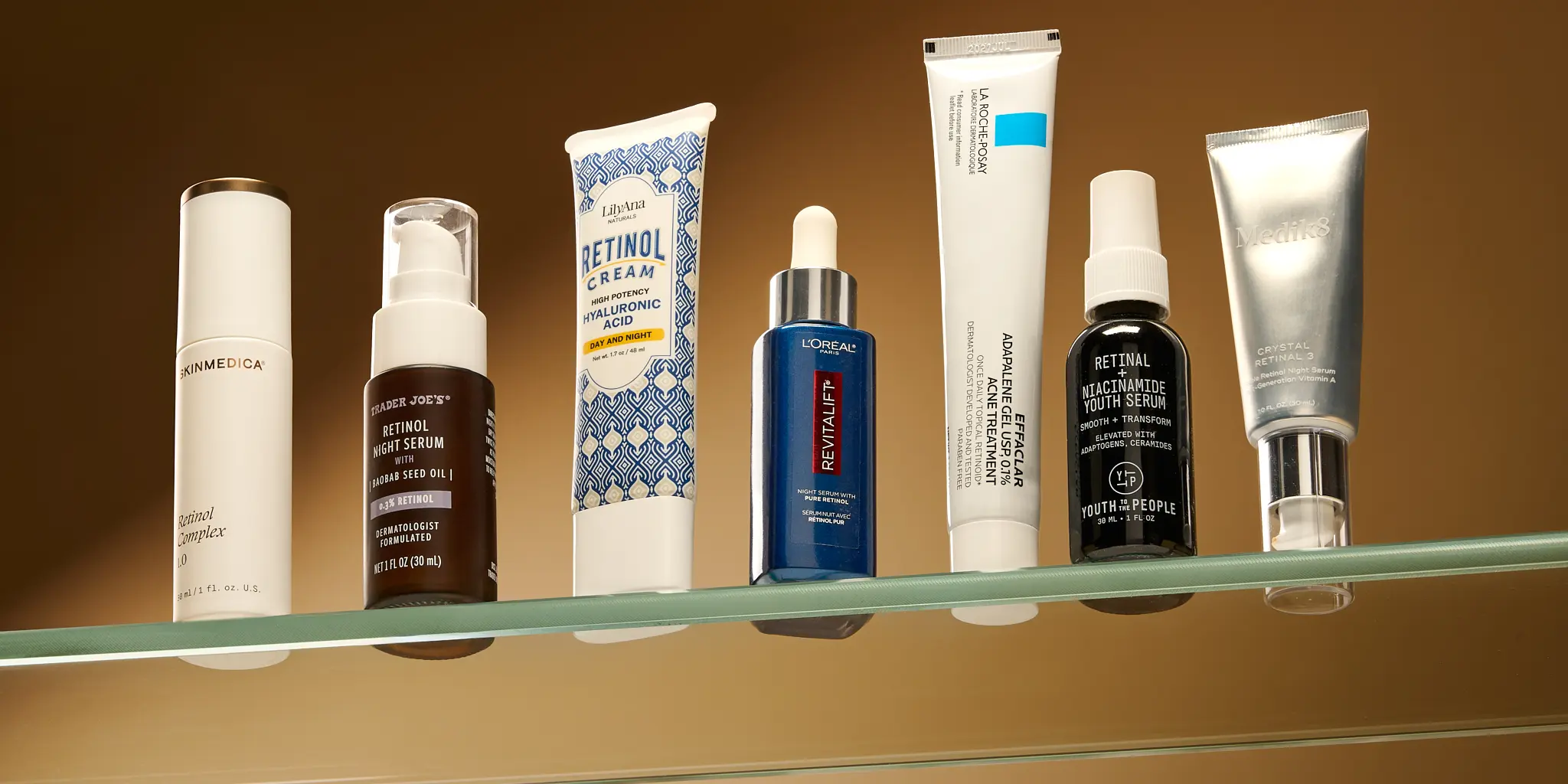
Retinol is a commonly used product marketed for anti-ageing and is usually targeted at women, because, naturally, women should have the skin of a newborn baby. I have found myself a target for retinol, amongst other similar products. ITV recently wrote an article showcasing how young girls have been purchasing products such as retinol and, worryingly, have been left with red, irritated skin. The reality is that no child needs to be using anti-ageing products, but many of these TikTok videos fail to mention whether these products are safe for more delicate skin in the first place.
So does retinol even work? The short answer is somewhat. No product can completely reverse the effects of ageing, but products like retinol can reduce them. The University of Michigan Medical School did an investigation into the anti-ageing properties of retinol. Retinol is a derivative of vitamin A, which can be used in the treatment of acne-prone skin. When applied topically, it is converted into its active form, retinoic acid, within the skin. It is then able to ease ageing through the promotion of collagen production and the prevention of collagen breakdown within the skin. The article made it clear that topical retinol is safe to use and does work as long as it’s not used in excess. Too much is what results in the dry, red, scaly or itchy skin. Sensitive skin is obviously more susceptible to ingredients such as retinol. Seemingly, more awareness around retinol’s restrictions is necessary.
A product that seems to have been targeted more specifically towards men is beef tallow. This is marketed as an organic solution to acne and promises to clear skin without the need for “chemicals”, according to user @jakeegizio on TikTok. I came across this product from a different user who showed in their video that beef tallow had actually worsened their skin. As I scrolled through #beeftallow, it appeared there was a real mixed bag of results from people using this product.
Beef tallow is composed of multiple fatty acids, which individually provide the product with some characteristics which can reduce acne. A study investigating beef tallow as an acne treatment details its sporadic nature. Oleic acid enhances skin penetration and hydration while potentially inhibiting inflammation‑related enzymes implicated in acne pathogenesis. Linoleic acid was also linked to downregulating inflammatory action. However, oleic acid, palmitic acid and stearic acid were found to potentially increase inflammation. Ultimately, beef tallow cannot really be identified as a product which strictly treats acne. This is reflected in the wide range of responses people had to using beef tallow. Moreover, beef tallow’s shelf life has not been defined, so its longevity as a skincare product is unknown.
Despite the benefit of using TikTok as a way of introducing yourself to the variety of skincare treatments, the inconsistencies in credible information reveal that you should always put in some extra research before jumping in and using a new product.
Another article you might like – https://thebadgeronline.com/2026/03/what-does-curing-pancreatic-cancer-in-mice-mean-for-humans/
