

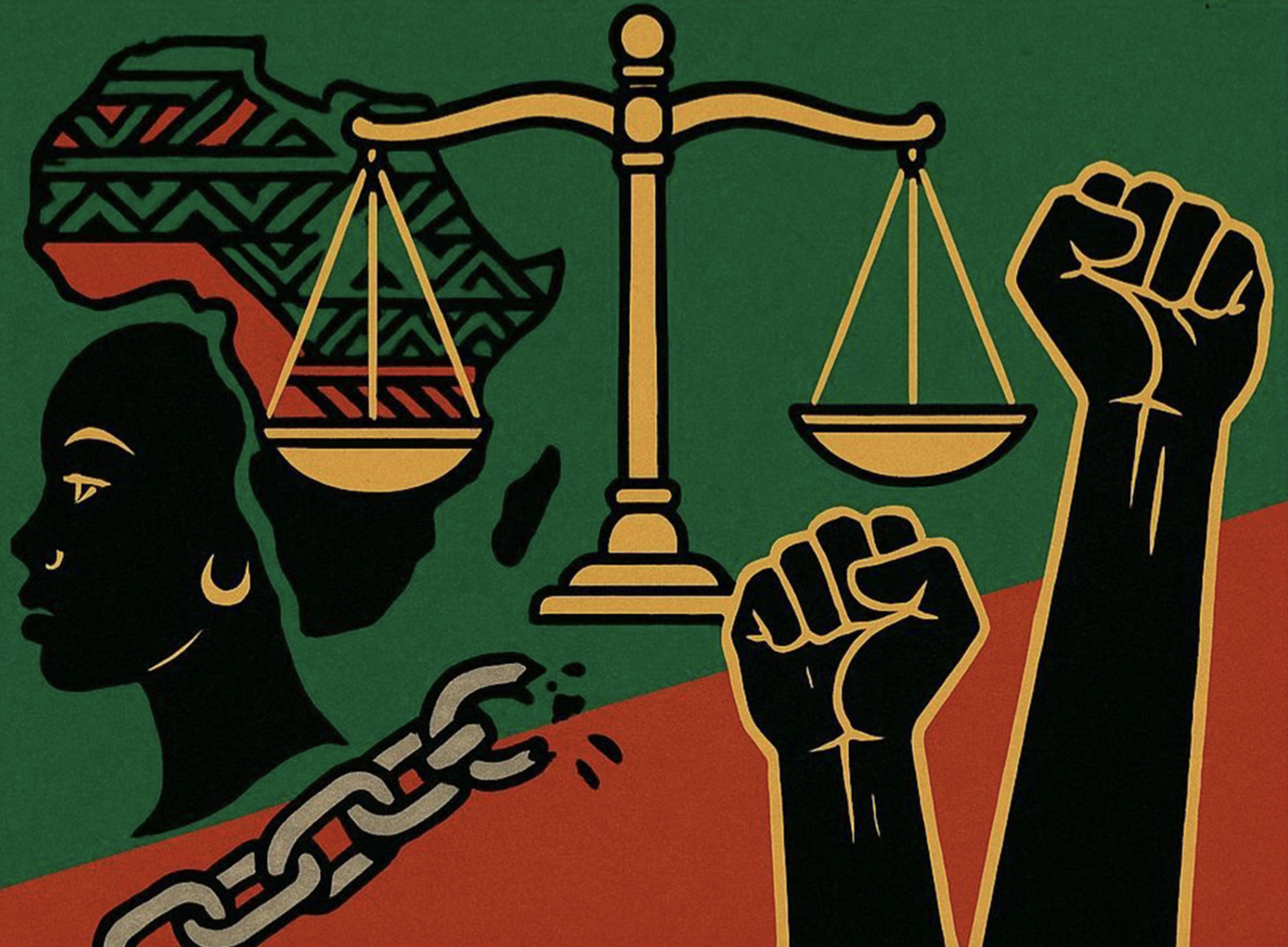
Historically, Brighton has been widely known for its progressive movements. Be it the pink wave, the counterculture movement of the 60s or even the community of anti-apartheid South African activists of the 90s. And yet within this vibrant cultural hub, or ‘left-wing hotpot’ as it has previously been described to me, some of its crucial history remains disproportionately in the margins.
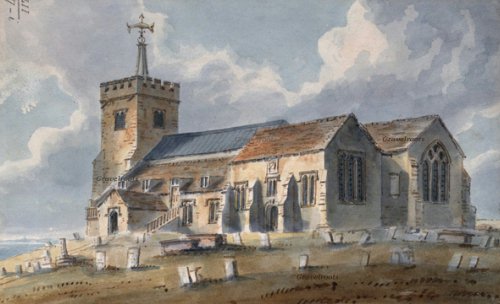
Despite being more of a holiday destination than a Liverpudlian port-city, Brighton’s connections to the transatlantic slave trade are substantial. But Brighton’s Black history is much more than this. For example, the life of Ina Sarah Forbes Bonetta is one of personal bravery and agency in the face of many attempts to impose an unwanted life onto her. Born in modern-day Nigeria around 1842, the then-enslaved child was taken to England as a gift to Queen Victoria – ironically by the Royal Navy Anti-Slavery Squadron. Now subjected to the ‘Liberated African’ status, one created after the abolition of slavery in 1833 to assign a guardian to previously enslaved Africans, she was forced into unpaid labour and was unable to return home. Queen Victoria then forced Ina into an arranged marriage to a wealthy Black African missionary and palm oil businessman, after sending her to school in Sierra Leone where she faced physical punishment alongside other ‘Liberated Africans’. Ina opposed the wedding until the very end, forcing a bridesmaid to sign the marriage document on her behalf as she refused to do so in protest. Meanwhile, those who obtained paid ticketed entry to the wedding at Brighton’s St Nicholas Church looked on. Those who didn’t waited in the rain outside, trying to catch a glimpse of the supposed success of Britain’s ‘civilising project’. Ina’s letters regarding the marriage still survive today: “Am I to barter my peace of mind for money? No – never!”
The more pragmatic readers amongst you might be wondering what my point is by now. Why am I telling you all this? To convey the value of grassroots organisations in spite of their absence in international headlines or UN general assemblies. While many look to Britain’s Black history on a national level, particularly amid growing calls for reparations, many powerful stories of Black agency in the face of adversity are lost to time. This particular one has largely been brought to light by the Brighton and Hove Black History Group, a local grassroots organisation, as part of their lasting commitment to mainstreaming Black history over the past two decades.
As a progressive city, Brighton must challenge these lasting hierarchies of history that decide who is remembered or forgotten. Often these local stories are so embedded in the making of our surroundings that uncovering them can be a task easier said than done. Let alone mainstreaming previously unheard narratives.
In the 2016 anthology ‘The Good Immigrant’, Darren Chetty describes his experience as a teacher, encouraging young children to write stories about characters from their own backgrounds. He is met with a striking reaction from a child born in Britain, identifying as Congolese upon hearing the story of a peer’s Nigerian uncle: “You can’t say that! Stories have to be about white people!”
Narrative representation is invaluable in the making of history and consequently how people understand both themselves and their place in the world – what can and can’t be said. I strongly believe in the importance of also turning our gaze to local Black history, which often also holds elements connecting them to national and international events. To do so, we must follow community-led initiatives which bring local Black history into the fore through talks, walking tours, research projects and beyond. Supporting bottom-up approaches to these stories, as volunteers or otherwise, strengthens local research into unknown history.
In these troubling times, community groups are taking matters into their own hands. You can’t fully grasp Britain’s national puzzle of marginalised histories without looking at the pieces themselves.
Another article you might like – https://thebadgeronline.com/2026/09/time-to-stop-teaching-imperial-ignorance/