

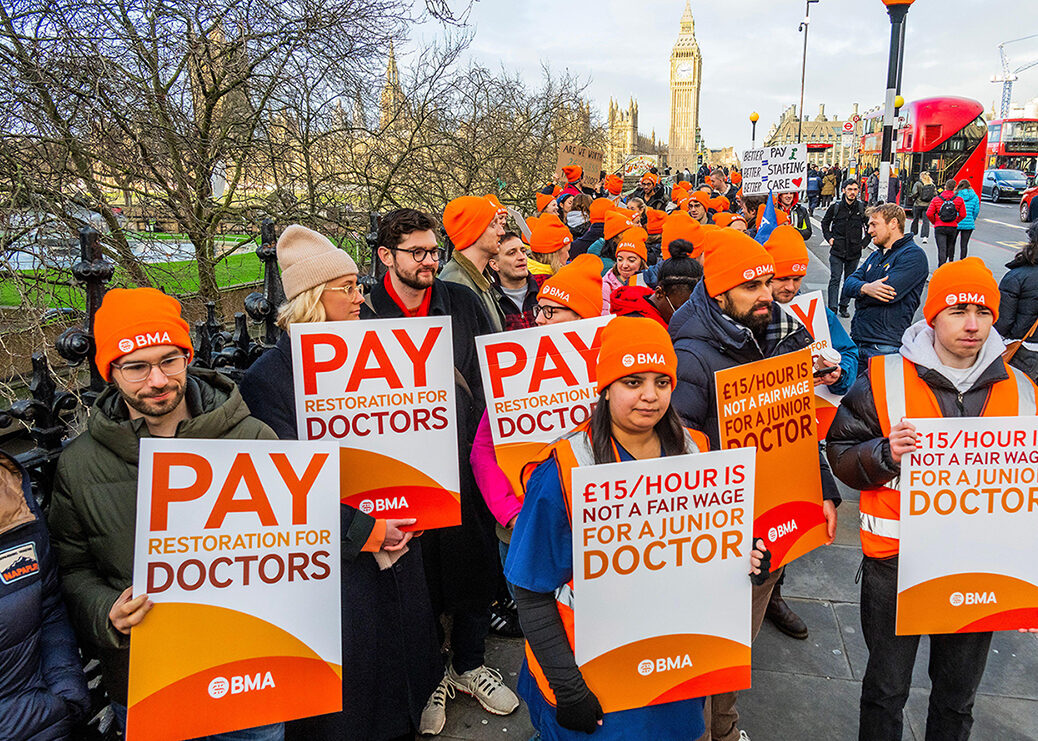
The long-running resident strikes, which took place over 5 days in November this year, have caused a lot of tension in the UK. Wes Streeting, the Health Secretary, has stated that Doctors are being paid enough, essentially, and that the strike was unnecessary; however, he offered solutions to this problem, suggesting, firstly, that the government cover mandatory costs, such as loans and exam fees.
There is also a shortage of training posts; more than half of junior doctors are left unemployed at the end of their two-year foundation contracts. Therefore, even if the government were to increase the number of training places by 2,000, it would still not be enough, as there is excess demand for doctors but not enough posts for students to receive training.
However, it has been argued that NHS workers should not go on strike, as doing so heavily impacts those using the NHS and those who require care. In another turn of events, medical students have become critical of the ongoing unrest within the NHS, as it particularly affects their secondary care placements.
Students are impacted through disruptions to their training and reduced exposure to the practical world of medicine. In the long term, it creates a gap in development for students to progress, essentially creating a backlog of training. Students are now concerned about their progress, and might feel like they are not being prepared enough for their medical exams, which can lead to students feeling anxious, having an impact on their mental health.
Dr Holly Tarn wrote in a recent article for The Independent, stating that since 2008, wages have declined. From 2010 to 2017, the pay increase was as little as 1% per year, which was below the rate of inflation. There are also the costs of 5 years of university, exams, and student loan debt that doctors need to pay off.
Overall, the resident doctors’ strike reflects deeper issues that short-term solutions cannot fix. While strikes disturbed the care of patients and medical students who are in training, they also highlight the ongoing challenges caused by a lack of training posts. There is an increase in pressure on the NHS staff now, and for students, the impact is mixed: reduced clinical exposure and added stress, but also a clearer understanding of the realities of the profession. Ultimately, without meaningful reform, these tensions will continue to affect both the workforce and future doctors.
Another article you may enjoy: https://thebadgeronline.com/2025/12/roots-garden-reels-after-repeated-thefts/
