

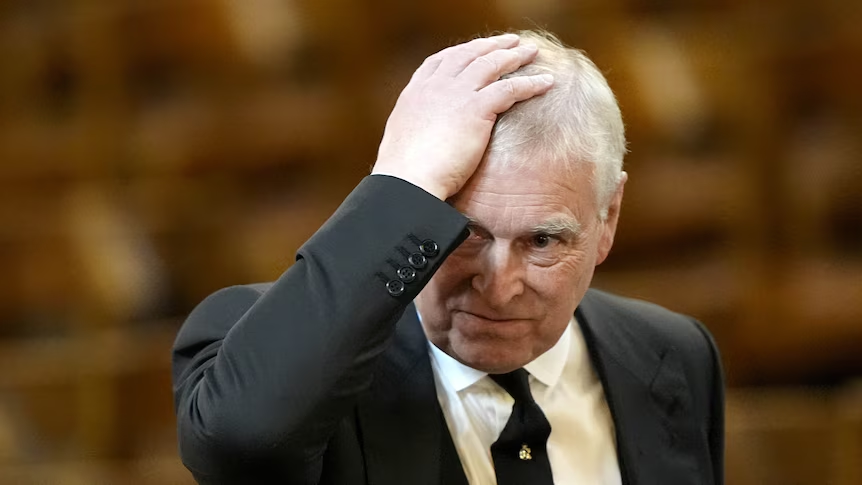
Representation is a core tenet of the Royal Family’s continued existence. State visits, representing charities, and high-profile summits play a key role in their image as servants of the British public. The tabloids have never shied away from maximising drama, as in Harry and Meghan’s disastrous exit, but more recently, the Royal Family is facing its greatest public image challenge yet, and their handling of it has been met with disappointment and frustration. After seventeen scandalous years, with his dodgy connections ranging from sex offenders to Libyan gun smugglers, Mr Andrew Mountbatten-Windsor has finally lost the title of “Prince”, along with his other titles and honours. But are they going far enough?
Allegations of Andrew’s involvement came to light during and after Epstein’s arrest in 2008, especially with Virginia Giuffre’s testifying to having been trafficked to him three times, in 2014. His other connections, from holidaying with Libyan gun smuggler Tarek Kaituni to lunching with a notorious member of Tunisia’s former regime, have steadily eroded his support ever since. In 2016, one of Epstein’s butlers alleged that he visited Epstein’s residence in Palm Beach, Florida, multiple times, for weeks sometimes. Ms Giuffre’s posthumous memoir, Nobody’s Girl, recalls him having correctly guessed her age upon meeting her. Despite his denial of ever having met her, earlier this month, an email by Epstein seems to confirm the authenticity of Andrew’s infamous photo together with Ms Giuffre.
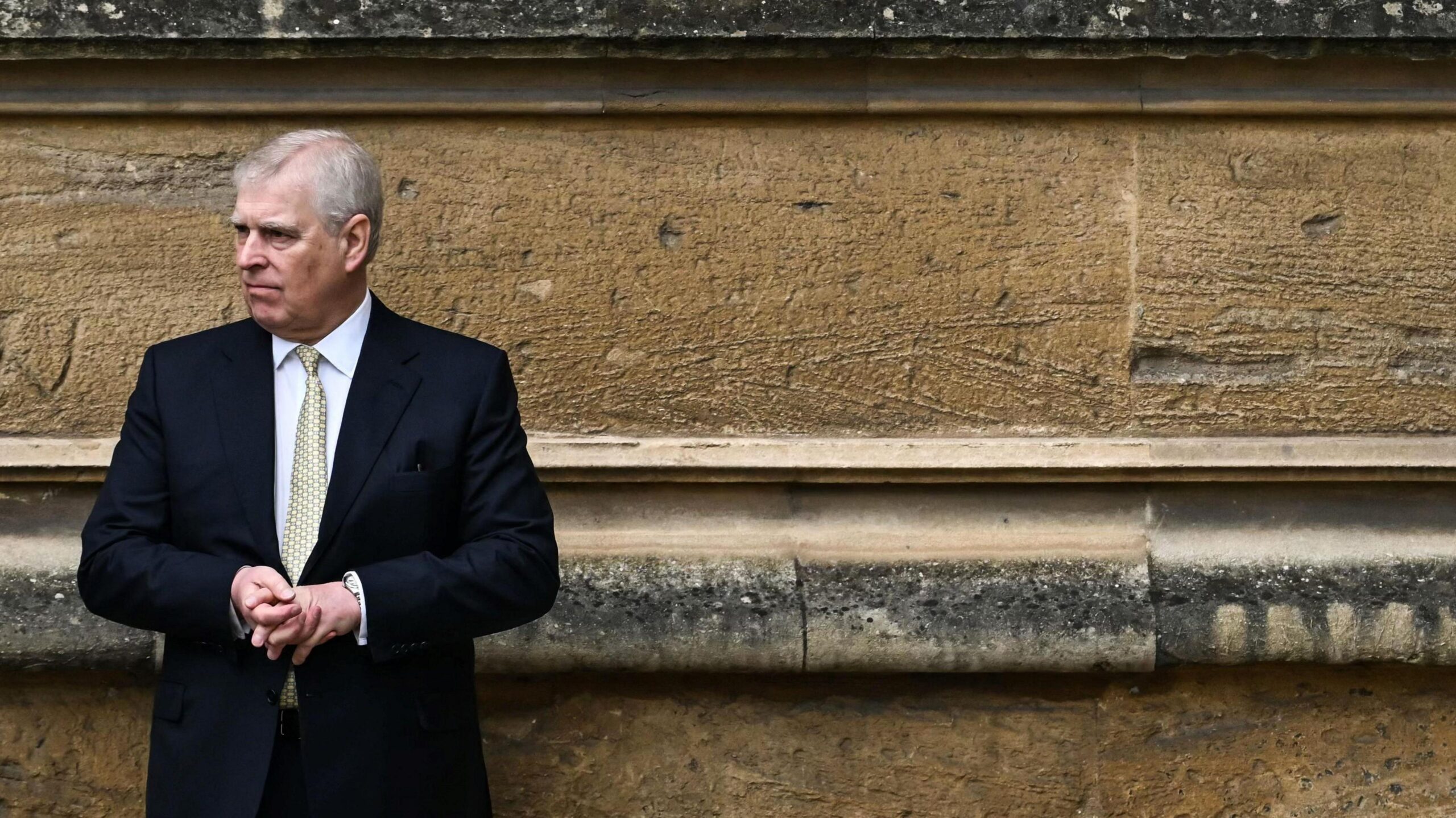
The Royal Family initially dithered in addressing these allegations, despite pressure from campaign groups and councils to strip Andrew of his local titles over the years, including the residents of Inverness in 2019, the City of York Council in 2022, and an open letter by over 150 veterans requesting the removal of all his honorary military roles that same year. Slight reverberations were felt when he was forced to resign from his position as an envoy at UK Trade and Investment in 2011, but it was only when Elizabeth II removed his peerages and duties in January 2022 that his shadiness was officially recognised. His last titles were swept away this October by King Charles, after mutual discussions. Now a normal citizen, Andrew has left the Royal Lodge and taken up residence in Norfolk. It feels more like a calculated retreat than a disgraced dismissal. In a recent Daily Mail Poll, of nearly 8,000 votes, only 7% thought the King went “far enough”.
Buckingham Palace’s reactions have been received poorly, perceived moderate or secretive, and could be a part of a recent acceleration in decline in the public’s respect for the monarchy. In September 2025, a NatCen Social Survey found that only 51% of Britons thought the monarchy was either ‘quite’ or ‘very’ important, in contrast to 86% back in 1986. The proportion of those who think it is ‘not very’ or ‘not at all’ important has risen from 10% in 1981 to 31% in 2024. Support for outright abolition has grown from 3% in 1983 to 15% in 2024. Perhaps it’s these numbers that have pushed Charles to distance himself and the Royal Family from Andrew.
The Epstein Files are the biggest scandal of this decade, involving many of the highest established figures across continents. It was only after months of massive pressure when President Trump went from denying to supporting the release of the Epstein files, with the house voting 427-1 in favour on the 18th of November; the more damning it is for the former Prince, who many are eager to see brought before a hearing. The scales have tipped in favour of the public and the victims, but the impact is yet to take place. The whole affair has been a catastrophe for the Royal Family’s public image, and they may have to tread lightly in a country that increasingly values equality in accountability.
Another article you may enjoy: https://thebadgeronline.com/2025/11/women-in-sport/
