

Is There Any Value in What the British Have to Say…
There are two likely reasons for someone to watch an awards show: to be informed of who and what has been the best of the best in film over the last twelve months, or rather, to enjoy the spectacle and celebration of all forms of industry talent. If you’re more inclined to follow the latter, then the British Academy of Film and Television’s Awards (BAFTA) Film Awards are likely exactly what you are looking for. Unlike our friends across the pond, our own annual awards night sees projects and personnel overlooked at the Oscars recognised for their work, shining a light on the talents on show amongst the British film industry.
There is no doubt that the BAFTAs are tailored for a British audience. Unlike the lesser-known IFTAs (Irish Film and Television Academy), which primarily hand out awards to Irish actors, etc., the BAFTAs are an international ceremony. Despite this, there is still a focus on recognising the achievements of our own over those abroad. Sometimes this comes in the form of an unlikely Best Film win, such as for Conclave last year, or more frequently in the established categories for British talent.
Every year, the BAFTAs award the British film industry with awards for: Outstanding British Film, Outstanding Debut by a British Writer, Director or Producer, Best British Short Animation, and Best British Short Film. These categories allow the Academy to applaud the work of British filmmakers producing major motion pictures, as well as grassroots talent unlikely to be noticed by the American Academy. This has allowed the likes of Kneecap director Rich Peppiatt and Jeymes Samuel for The Harder They Fall to be given their flowers, even if they were overlooked elsewhere.
However, it could easily be argued that focusing on British films and filmmakers gives the night a sense of bias, making it an international event that ignores the wider filmmaking community. If the BAFTAs are to be respected in the same manner as the Oscars, do they need to shift and become more neutral? For me, absolutely not. Historically, the American Academy has been far worse at handing out awards with tunnel vision focused only on U.S. talent, and yet the Oscars are still seen as the pinnacle of film criticism and the awards season. This national-personalisation allows for an interesting differentiation between the two award nights, providing a fantastic quality of suspense as to who will win what at both ceremonies.
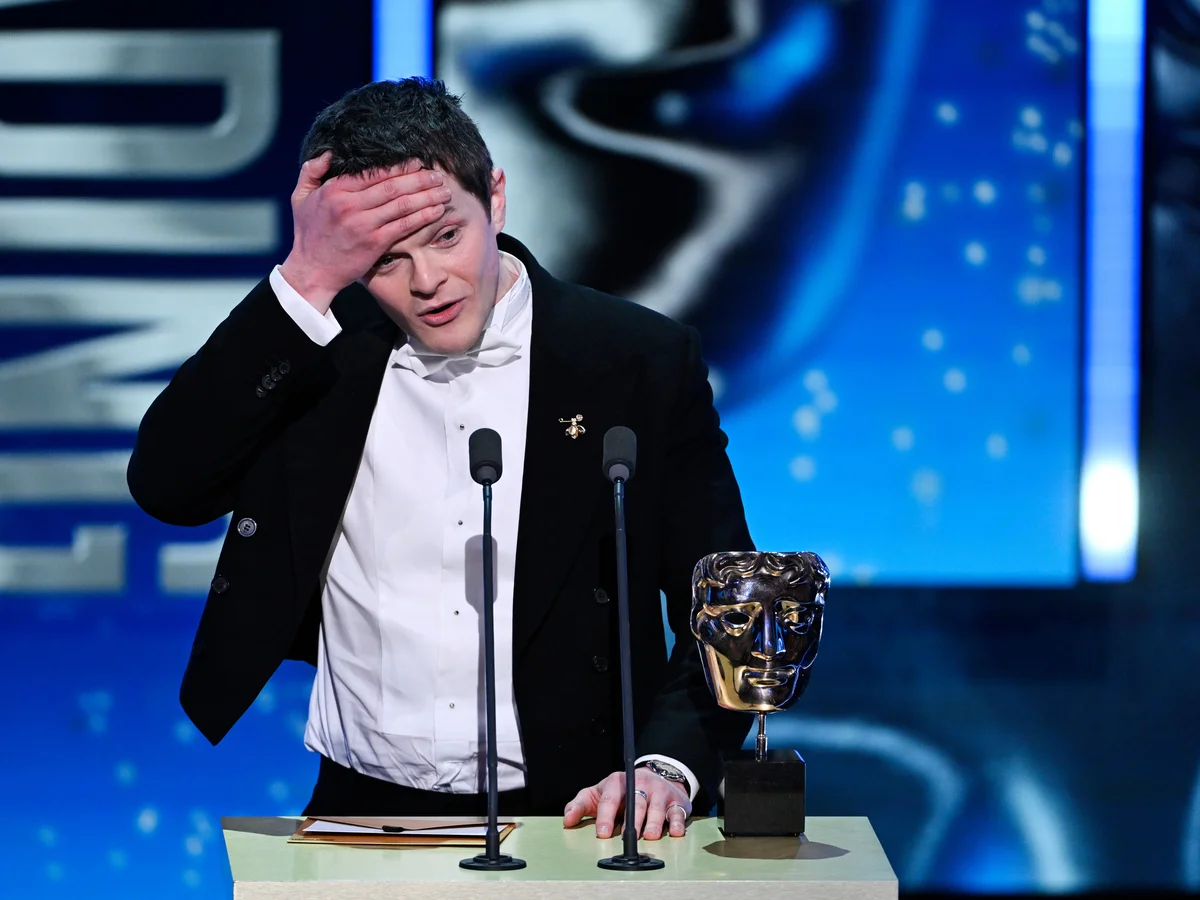
This year’s ceremony only affirmed the Academy’s love of the British, with BAFTA records broken in some major shocks. The audience-selected Rising Star Award went to Englishman Robert Aramayo, which was followed by an almost out of nowhere Best Actor win. Aramayo’s shock at the decision was visible for all to see, with him nearly breaking down in tears as he accepted the award. His victory marks the first non-Oscar-nominated Best Actor win at the BAFTAs since 2001, underscoring how much it stands out in the rest of the awards season.
Elsewhere, Britain’s Wunmi Mosaku, of Sinners success, shook up the race for Best Supporting Actress, beating Oscar’s favourite Teyana Taylor. Similarly, Sean Penn took home his first major victory in the Supporting Actor category, despite not being able to attend in person, for his performance in One Battle After Another, making the category arguably the highlight of the 2026 Awards campaign.
It is fundamentally important to remember that, despite who wins, or if the BAFTAs are too heavily focused on British industry talent for your liking, that none of it really matters. The film that wins Best Picture at the Oscars or Best Film at the BAFTAs will never please everyone; what will continue to always matter is the beauty of film’s subjectivity. There is something for everyone, just as much as there is something for you to absolutely despise.
Another article you may enjoy: https://thebadgeronline.com/2026/02/the-golden-globes-just-glamour-or-the-gold-standard/
