

As we edge ever closer towards awards season, the films hitting cinema screens move away from blockbuster hits and towards new targets. Critical success comes in March.
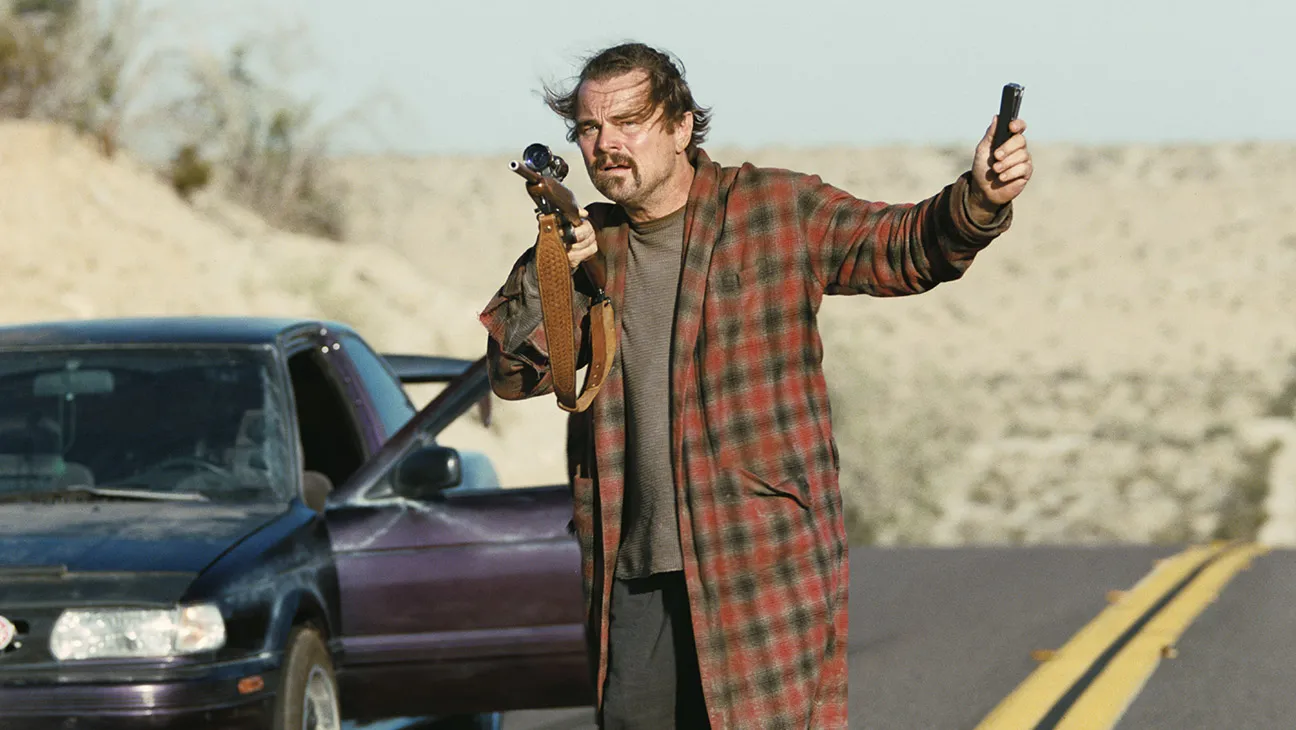
However, one film that had the potential to achieve both high ratings and critical acclaim this autumn was Paul Thomas Anderson’s new action thriller, One Battle After Another (OBAA). With a star-studded cast, a renowned director, and a gripping narrative, it looked set to have something for everyone to enjoy, but (at the time of writing) it has only made $197 million at the box office, which, means it failed to break even, as production, according to Variety cost more than $130 million and advertising and promotional costs of $70 million brought the overall expenditure to around $200 million.
However, despite this, it did not stop the movie from receiving an overflowing amount of critical success. Rumours are already circling that it’s y being viewed as a favourite for Best Picture at next year’s Academy Awards. With its late-September release date, it is clear that Anderson and Warner Bros are both focused on winning critical success over commercial.
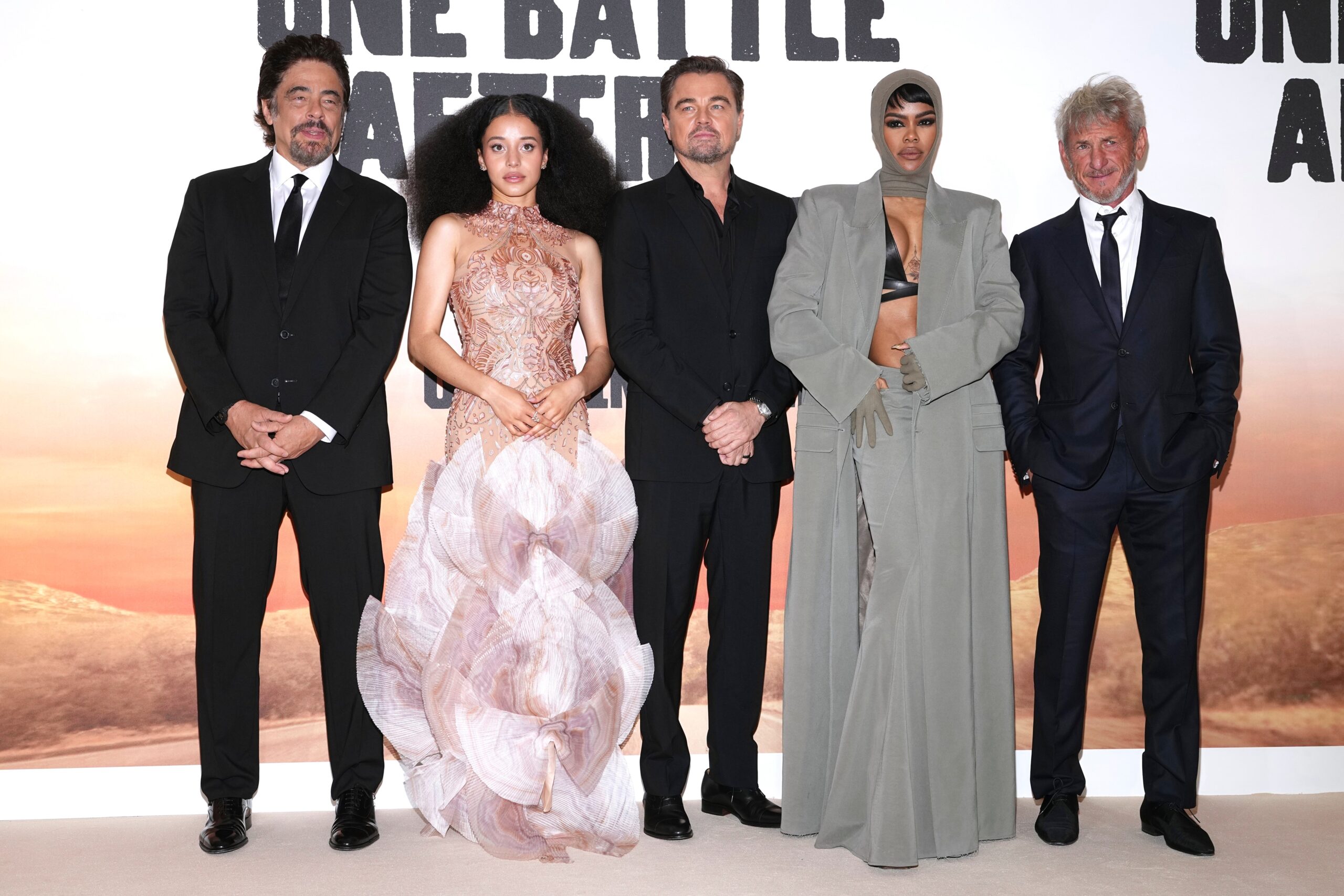
OBAA becomes a tricky film to analyse or review when you consider its position as a Hollywood blockbuster that is openly critical of the capitalist state that created it. Like several films that have come before it, and experienced raving success, OBAA has to juggle its criticisms of the world it is spawned from, as well as acknowledging the role it played in allowing it to project its message to the masses. Similar to how 2023’s Barbie was critical of consumerism and capitalist hierarchies, or The Lego Movie (2014) provided us with potentially the strangest grounds for anti-capitalism to date. OBAA finds itself in the sub-genre of the ‘ironic-antis’.
The film’s protagonists, being members of the fictional anti-fascist group ‘the French 75’, carry a sense of irony and hypocrisy with cast members Leonardo DiCaprio and Alana Haim both supporting organisations and institutions that mirror those the French 75 fight against. The pair’s connections to Israeli war crimes in the Middle East, with DiCaprio becoming a ten per cent stakeholder in a luxury hotel project in Israel, alongside Haim’s ongoing support for the state since 2023, make it hard not to laugh at the irony of their casting.
Even when you don’t consider the role that the cast has to play, a major Hollywood studio in Warner Bros, being behind the film’s main message feels ironic, with the conglomerate choosing to bully the little guy, whilst also supporting genocidal states like Israel on several occasions.
The controversies surrounding the film and its questionable message have also extended beyond its cast and studio. For instance, Jonny Greenwood, who scored the film, is amongst those who are accusing the movie of being hypocritical. Greenwood, who has scored several of Anderson’s other films, is the lead guitarist and keyboardist for the English band Radiohead, a group who themselves are riddled with controversy.
The band has performed in Israel on several occasions, leading to calls for them to be boycotted by Palestinian activist groups, but despite lead-singer Thom Yorke saying he would never perform there again, Greenwood has vowed to never stop working with Israeli artists or stop performing there. This leaves critics of the film’s hypocrisy with even more ammunition to work with, and makes it harder to see OBAA as anything but one controversial figure after another.
This, however, leads me to raise the question of whether a film, or any piece of art, should be disconnected from those who created it. Is this the best way to view it, or should its context be considered critical to understanding its messaging? In the case of OBAA, it is hard to argue that it is not an impeccable bit of filmmaking, with its perfect pacing, stellar narrative, fantastic soundtrack, and mind-blowing cinematography all positioning it to pick up a solid collection of Academy Awards in the spring.
Having watched it twice, I thought I would be able to consider the clear contextual issues behind it more upon a second viewing, but I found myself again gripped by Paul Thomas Anderson’s genius. Perhaps this makes me a hypocrite, enjoying a film I ought not to, as an active and aware member of our society, but sometimes good filmmaking can transcend one’s political standards, even if one wishes it didn’t.
Another article you may enjoy: https://thebadgeronline.com/2026/01/cabaret-voltaire-on-the-frontiers-of-the-experimental/
