

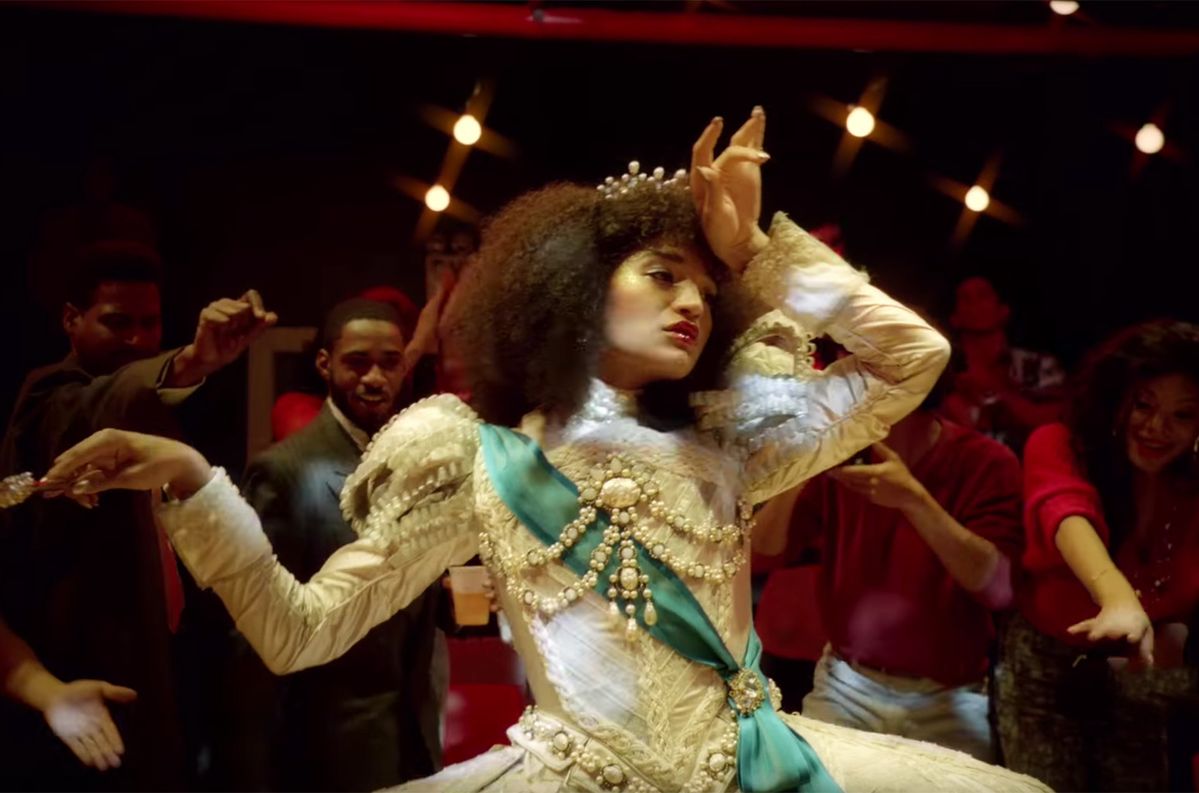
Whether we want to admit it or not, we are all influenced by the media we consume in our day-to-day lives. The shows and movies we watch shape the world around us, meaning that positive representations of minorities are essential for breaking down stereotypes and fostering understanding of different perspectives. Highlighting queer voices in particular helps to build empathy and challenge prejudice – and few shows have done this as well as Pose.
It is only fairly recently that queer voices have begun to be truly understood. In the UK, same-sex marriage has only been legal for a little over a decade (March 2014 for England). Globally, the struggles are even more prominent, with gay marriage only being legal in about 40 countries. Identifying as part of the LGBTQ+ community can even result in imprisonment in countries such as Indonesia and Kenya. Still, prejudices are slowly decreasing, and the media plays a significant role in this progress.
In the past, LGBTQ+ representation has been extremely limited, with many queer characters being based on negative stereotypes. Often, these characters were white, cisgender gay men whose only purpose was to provide comic relief for a heterosexual audience. Many iconic villains had effeminate traits – think Scar from The Lion King or Jafar from Aladdin – reinforcing the idea that going against gender norms was abnormal or even threatening. For years, queer people were either the joke or the danger rather than real, complex people.
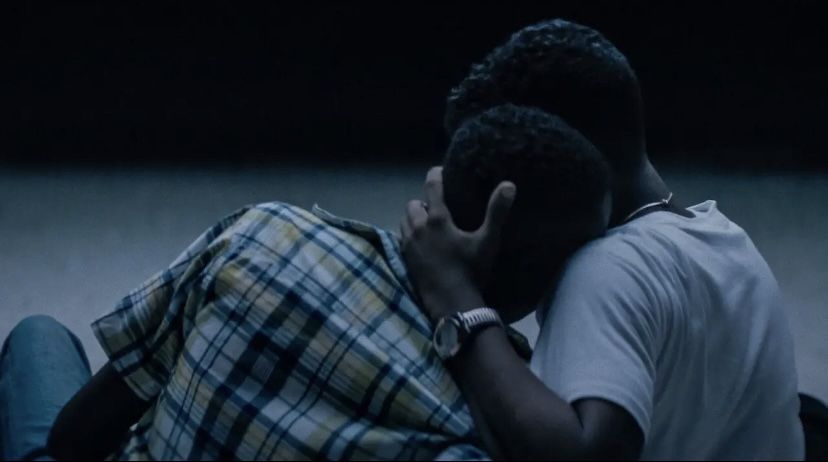
Fortunately, representation has been improving. Films like Moonlight (2016), which centres on a black gay man, and Bottoms (2023), which features a range of lesbian and bisexual women, have helped introduce audiences to more varied queer experiences. Exposure to queer media can have a significant effect: one study found that 48% of respondents who had been exposed to LGBTQ+ representation described themselves as more accepting in recent years, compared to 35% who hadn’t. This proves that representation doesn’t just reflect society but also actively shapes it.
While gay representation has grown more diverse, trans stories have often lagged behind. Accurate, compelling transgender representation has grown more and more important as the trans community faces harmful stereotypes and scapegoating. Earlier portrayals often featured cisgender actors playing trans characters, reinforcing misconceptions and stripping away nuance. Shows such as Orange Is The New Black, Euphoria, and Heartstopper have made progress by casting trans actors and giving the characters more realistic and layered storylines. However, transness is often still treated as a subplot, and some argue these portrayals verge on tokenism.
One show that truly broke the mould is Pose (2018). Created by Ryan Murphy, the series is centred entirely around gay and trans experiences, featuring a historic number of Black transgender women in prominent roles. Inspired by the documentary Paris Is Burning, it is set in 1980s New York and follows characters in their found families as they compete in the vibrant ballroom scene and navigate discrimination and the AIDS crisis. Murphy’s collaboration with trans writers, consultants and actors allowed for a portrayal that felt authentic and meaningful. The characters are complex, and their struggles reflect reality. The show received critical acclaim, earning twenty Emmy nominations and several wins, including one for Billy Porter for outstanding lead actor in a drama series. Pose proved that stories about trans and queer people can be deeply human and compelling.
Yet the entertainment industry remains largely dominated by white, cisgender heterosexual men both in front of and behind the camera. Progress in representation will only go so far unless more LGBTQ+ people can achieve roles as writers, directors and producers and shape their own narratives
The fight for equality is still ongoing, and the media continues to play a vital role. Shows like Pose remind us of the resilience and unity of the queer community. Highlighting these voices doesn’t just validate queer experiences; it widens our understanding of what it means to be human.
Another article you may enjoy: https://thebadgeronline.com/2025/12/the-celebrity-traitors-finale-status-strategy-and-shock-twists/
