
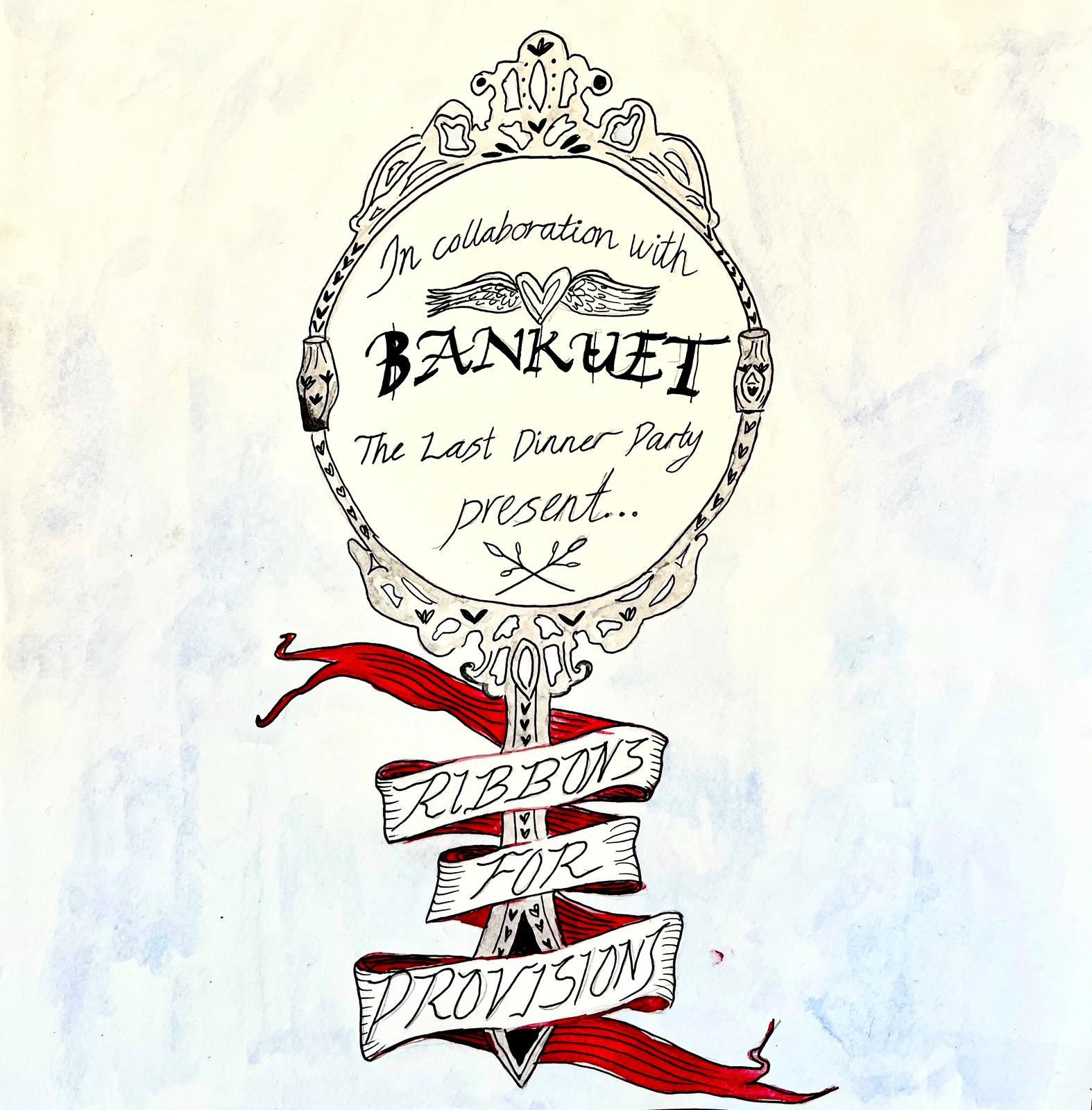
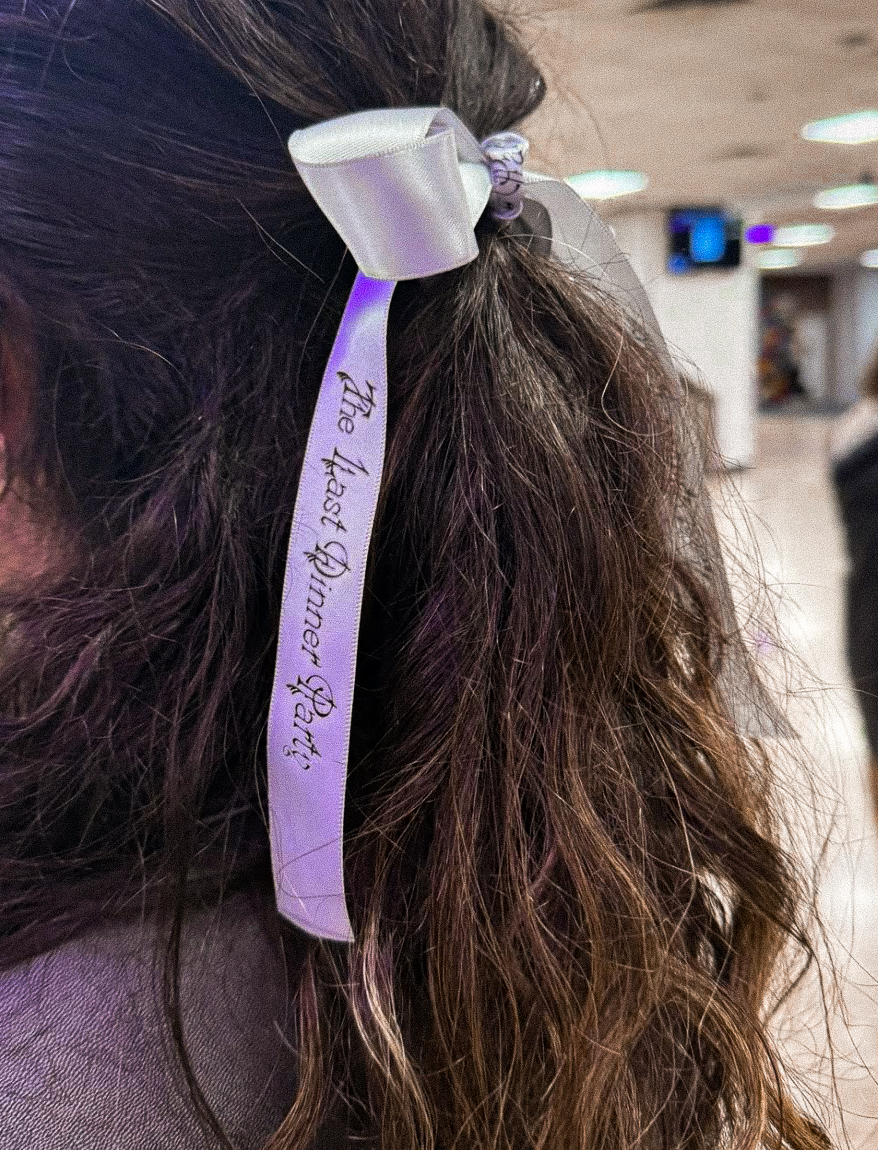
In late January, the British food bank charity Bankuet announced that £41,969 was raised during their most recent collaboration with alternative indie artists: The Last Dinner Party. Bankuet is a unique food bank which raises money and uses this to buy specific, necessary items. They explain their process on their website, saying, Bankuet partners with 295 food banks across the UK. Every week, we receive their up-to-date shopping lists. Then, using donations, we bulk-buy and deliver exactly what’s needed, so nothing goes to waste.The Last Dinner Party first launched their Ribbons for Provisions initiative alongside Bankuet during their 2024 autumn tour. This project entailed offering fans the chance to receive a TLDP-branded ribbon in exchange for a donation to Bankuet. The band provided these ribbons, and fans were encouraged to donate what they could with no set pricing or obligation to give. During their first collaboration, the band matched every donation, meaning that while fans across the tour raised over £29,069, after the band gave the same, they reached an amazing £58,138. Although on their most recent tour, the band no longer matched the earnings, they still heavily encouraged fans to contribute and raised the sum of £41,969 for the charity. Bankuet reports that this amount is enough to feed 1,399 people for a week and provide 29,378 meals.
The gigs themselves on this tour also felt like an acceptable price, with tickets costing around £50 for an animated performance, in mid-sized venues with brilliant views, lasting an average of 105 minutes. Although at first glance this price might seem fairly costly for a relatively new indie rock band, the recent effects of the economy on emerging artists can explain this. There is a newfound difficulty in earning money from selling music because of extremely low payments from streaming sites like Spotify, not to mention how the closures of many independent venues have made it significantly more difficult to play live and earn. Understandably, prices have risen somewhat in this modern cultural landscape. Despite this, The Last Dinner Party use the privilege, platform and wealth that they do have to work to actively combat modern economic struggles, for example, through the aforementioned Ribbons for Provisions initiative.

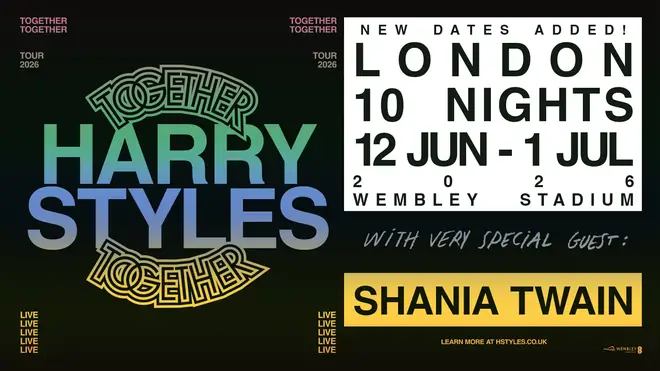
While it is certainly not a musician’s inherent responsibility to be an activist or support those less fortunate, bands like The Last Dinner Party have evidenced how easy it is to reject greed and use their platform to help others. This feels like an especially significant debate, as the information about the amount of money they raised came out in the same week as news of Harry Styles’ upcoming tour prices. It was reported that ticket prices ranged from £44.10 (to sit at the very back of Wembley Stadium) up to £466, with many people paying around £144 for general admission. Harry is indeed a huge star, so does this make it right that people should pay so much just for the privilege of seeing him? Or does the level of his stardom and his multimillionaire status suggest that he surely does not need to be taking so much from his predominantly young fanbase? NME have reported that he will be donating £1 of every ticket he sells to the Live Trust, an organisation working to support grassroots venues. While this is positive and the sheer amount of ticket sales guarantees that this will add up to a monumental sum, why are fans the ones paying this donation without the ability to opt out, and does one charitable pound really make up for the hundreds being spent per ticket?
We have seen these obscene ticket prices from rich popstars time and time again, another example being Taylor Swift’s Eras Tour in 2024. In this case, no percentage of sales was advertised to be used charitably. Other big artists have rejected this now expected extortion. For example, during The Cure’s 2023 stadium tour, Robert Smith worked to sell some tickets at around $20 and even fought with Ticketmaster to deliver partial refunds to fans whose ticket prices were jacked up by the website’s booking fees. Other artists have actively rejected Ticketmaster’s Dynamic Pricing systems in favour of keeping tickets at their original lowest possible price. This seems like it would be a no-brainer for any ethical artist, yet it has become a fairly common practice to utilise this system.
So if money talks, what are your favourite artists saying?