

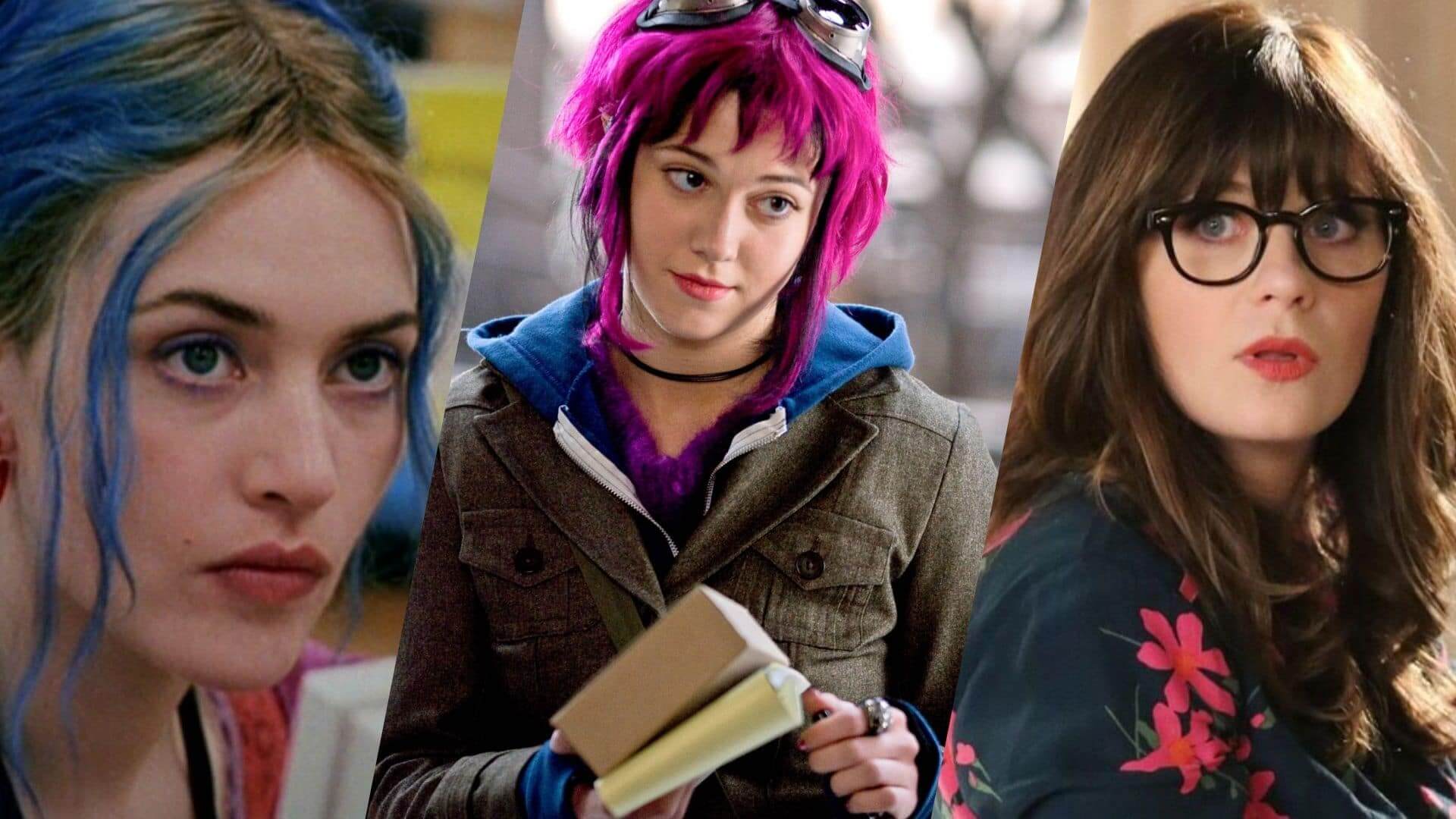
The “manic pixie dream girl” (MPDG) is one of the most pervasive yet widely critiqued tropes of contemporary film and literature. Coined in 2007 by film critic Nathan Rabin, the term describes a quirky, eccentric, free-spirited woman, rejecting convention and living life by her own rules. At first glance, this archetype may appear to offer significant representation of diverse women in media (something we desperately need). However, a deeper look unveils a disappointing catch. Seven years after coining the term, Rabin wrote a follow-up article apologising for the trope’s direction, where he disowned the term.
Beneath the surface, it becomes increasingly difficult to defend this trope as progressive because, in practice, the MPDG exists purely to facilitate male self-development. This archetype provides the boring, uninspired, and generally uninteresting man with a completely new outlook on life, allowing him to self-actualise, changing fundamentally, while her character remains stagnant. She is not written as a fully realised character, instead acting merely as a narrative device for the men she interacts with, which reinforces a reductive framework that diminishes women’s multifaceted existence.
While the MPDG’s baseline traits remain undeniably captivating: rejecting femininity, following her own path, embodying a “liberal energy”, this is where her depth ends. These traits function purely aesthetically and remain caged within meticulously constructed limits. She is always carefully curated, even if she seems reckless and wild; it’s presented in a way that feels palatable to the audience.
Furthermore, the trope itself is defined so narrowly. It is difficult to name a single instance of an MPDG who is not white and thin, aligned to society’s accepted beauty standard, which ultimately reinforces the idea that women are only supposed to exist within restrictive constraints that satisfy patriarchal perceptions of women.

The MPDG is never given goals or personal ambitions, nothing substantial that could genuinely inspire the women who see themselves reflected in her. Nor, at the very least, if these desires exist, the audience never finds out. For example, in the films Eternal Sunshine of the Spotless Mind and Bridge to Terabithia, the purpose of Clementine and Leslie, respectively, is to support the male protagonists’ growth. The trope consistently places an emotional burden on women, placing them as catalysts for male development, rather than as autonomous people.
The trope also draws from real-life experiences from neurodivergent women and women with mental health challenges, who audience members may relate to. Yet, studios offer little nuance or meaningful exploration.
Its impacts have seeped into real life, appearing particularly evident on dating apps, where an increasing number of men describe their “type” as an MPDG, or a woman with a “touch of the ‘tism”. EW! Neurodivergent women and women with mental health challenges already navigate an abundance of stigma; now, on top of that, they have men fetishising and furthermore infantilising these difficulties, exacerbating the harm, and reducing women’s complexities to palatable quirks for consumption.
The MPDG trope is not solely responsible for the rise in problematic behaviour, but it has undoubtedly played a role in shaping it. This raises an important question: “Is this issue inherent to just the trope itself, or does the greater problem lie with the men who consume and romanticise these storylines, and the men who control the media that relies on it?”
Ultimately, the issue is not that the MPDG possesses certain traits, but that she is not allowed to exist as a person in her own right. If she were to undergo genuine character development, the trope could be completely reimagined. Depth does not need to come at the expense of the traits that make her recognisable; rather, complexity can coexist with these traits, allowing her space for struggle, mistakes, and growth.
Finally, she could be not only a more candid representation for women who relate to her but also symbolise a fundamental truth: women are allowed to be flawed and messy, unfinished but human. Real depth allows empathy, rather than idealisation, and is much more significant than romanticising a character who, ultimately, doesn’t exist!
