

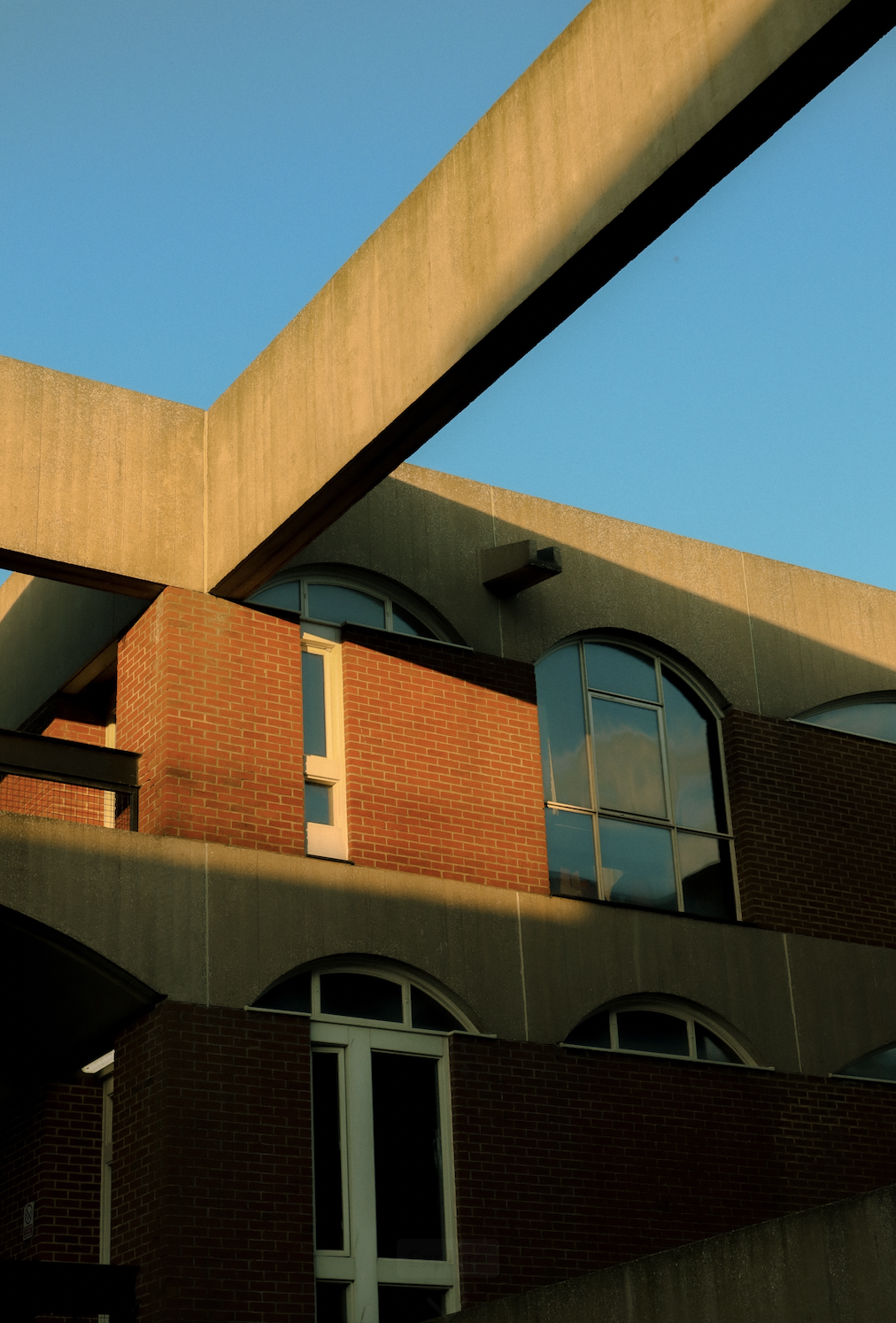
If you’ve walked through Arts A lately, seen the scaffolding in Falmer House, or wondered why parts of campus are riddled with work notices, you’ve met the quiet troublemaker shaping our campus: RAAC.
RAAC – Reinforced Autoclaved Aerated Concrete – is a lightweight concrete used from the 1950s to the 1980s. It’s also now famously unreliable, prone to cracking, soaking up water, and reaching the end of its usable life. And yes, some of our most iconic buildings on campus were built right in RAAC’s golden age.
Over the past year, the University of Sussex has been racing to identify, reinforce, and in some cases completely replace RAAC across campus. It’s a story of scaffolding, heritage-listed buildings, tight deadlines, and the balancing act between safety and students’ sanity. But for students right now, the question is simpler: What exactly is going on, and how safe are the spaces we study, eat, live, and revise in?
RAAC on Campus: What’s Affected?
Seven major buildings have been found to contain RAAC: Arts A, Arundel, Bramber House, Chichester I, Chichester II, Falmer House (including Mandela Hall), and the John Maynard Smith building.
The University insists that all these buildings remain safe to use, thanks to an expanding network of props, scaffolds, load-spreading platforms, and regular engineering surveys. It may look chaotic, but each brace and beam has been certified to stop failure long before it becomes dangerous.
Still, the reality is that many of these buildings are older than your lecturers’ jokes, and the concrete inside some of them is officially past its sell-by date.
The Big Fixes: What’s Already Been Done
Two major projects have reached the finish line:
- Bramber House now sports a brand-new timber-and-ply roof, finally kicking out the RAAC panels that had been up there quietly ageing like milk.
- Mandela Hall underwent reinforcement and refurbishment, carefully negotiated because Falmer House is a Grade I-listed architectural treasure. Even the building’s artwork — including the Ivon Hitchens mural — had to be temporarily rehoused.
These successes matter. They show the University can actually deliver full RAAC replacements without shutting down swathes of campus.
The Next Big Battle: Arts A
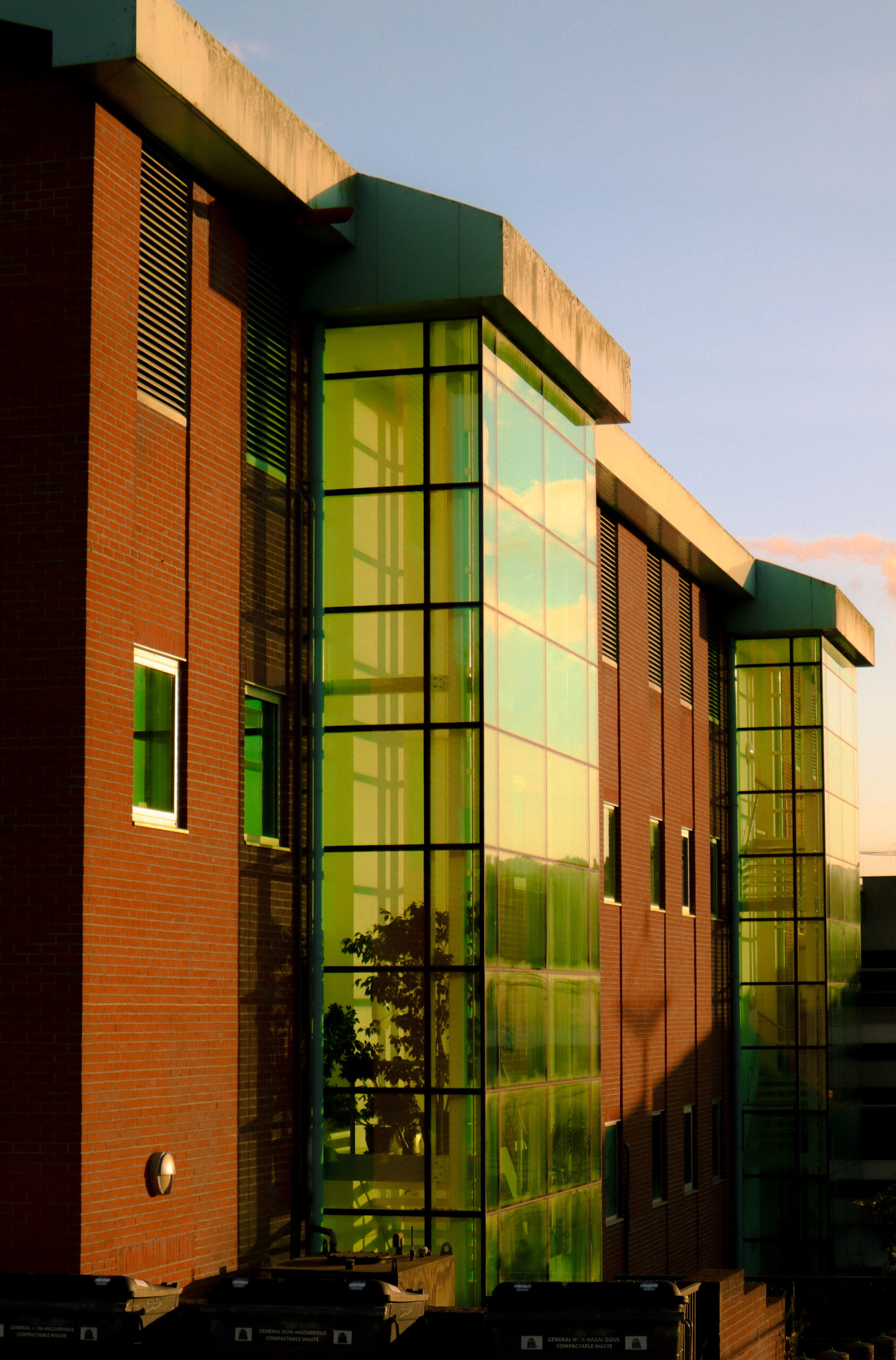
Now comes the tricky one. Arts A, a Grade II* listed building, needs its RAAC panels removed from offices, corridors, and the balcony area. The plan is ambitious: rip out the old concrete, replace it with a new timber floor, glazed panels, and a zinc-topped balcony — all while keeping the building’s architectural heritage intact.
Why Students Should Care
RAAC is more than a facilities problem – it affects where we learn, work, and live our campus lives. It’s behind timetable reshuffles, room changes, construction noise, and the occasional “why is this corridor suddenly closed?” moment.
And it raises bigger questions:
Are historic buildings compatible with modern safety standards? How long will disruptions continue? How is the university prioritising which spaces get fixed first? And will all this work actually future-proof our campus?
The Bottom Line
Sussex is taking RAAC seriously – but the story isn’t over. Replacement work will continue over the next several years, especially in heritage-listed buildings where a simple “knock it down and rebuild” isn’t an option.
In the meantime, the campus will stay a mix of scaffolding, caution signs, and construction crews. It’s messy, sometimes annoying, but it’s also the kind of behind-the-scenes transformation that will shape our university for decades.
So next time you weave through a fenced-off walkway or hear a drill during a seminar, remember: we’re not just dodging construction. We’re watching Sussex rebuild itself – beam by beam, panel by panel, and hopefully into something stronger than the concrete it inherited.
Another article you may enjoy: https://thebadgeronline.com/2025/12/sown-in-sussex-cultivated-in-colombia-home-grown-activism-goes-global/
