

“Ethnic minority graduates from a low socio-economic background are 45% less likely to be offered entry-level professional roles compared to more advantaged white applicants”, according to a UCL report produced in 2025.
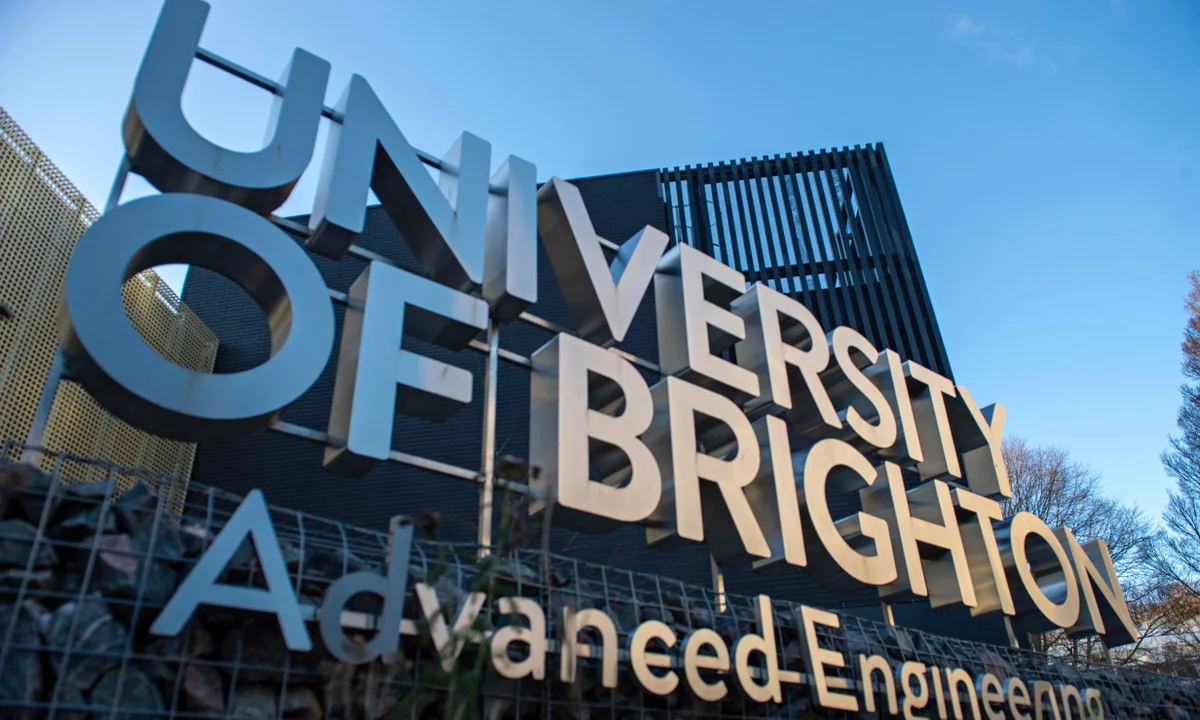
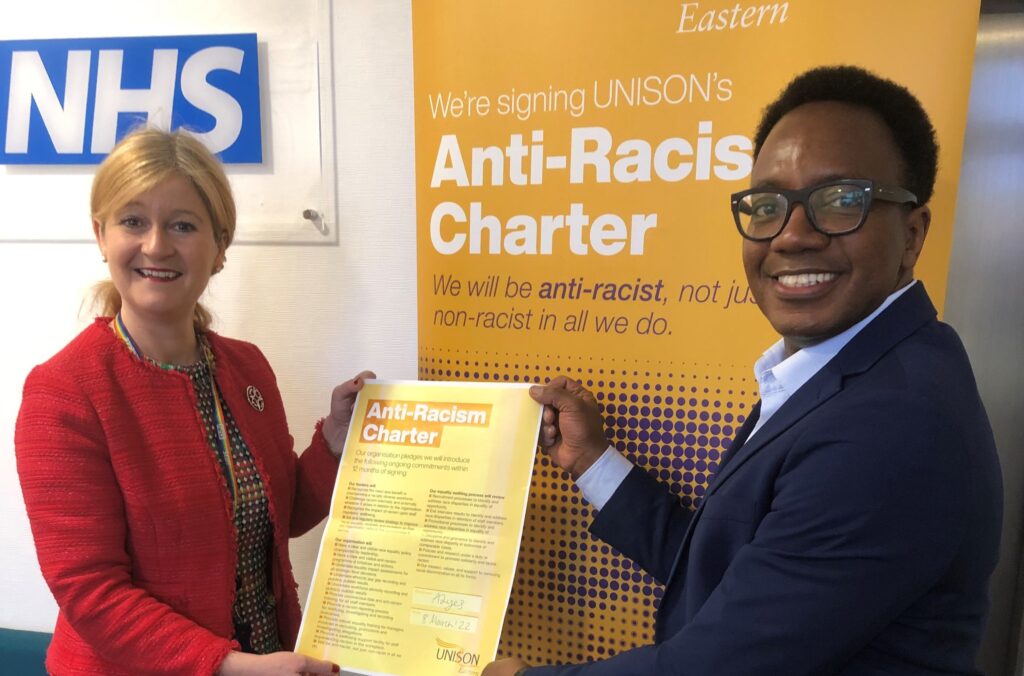
In an effort to effectively combat the issue, the University of Brighton became the first institution to commit to UNISON’s anti-racism charter on 15th January 2026. A UK trade union with over 1.3 million members, it intends to set a powerful precedent in higher education by pushing for support at lower entry-level salaries. During a recent interview with The Badger, members of UNISON’s South-Eastern branch and their Black Members Group offered an exclusive insight into their project.
One might see this charter as a mere repetition of other inclusive tweaks to the workplace. UNISON disagrees. This charter was “written by Black workers, listening to shared experiences by Black workers in public sectors”, Eve Taylor-Mungai explained to me. It is created by and for Black workers, from the ground up, with a focus on meaningful change.
Opposing other top-down approaches, this charter intends to fight back against harmful racist workings, restructuring the University’s transparency and accountability, with the hope of producing data being used for policy-making. For example, People of Colour are less likely to gain an interview, let alone employment there, according to a UNISON member. The question of an unconscious bias persists. One must look no further than the current University of Brighton-provided ‘Prevent’ training. UNISON has previously highlighted its portrayal of Islam as linked to domestic terrorism.
However, UNISON remains confident that its charter will go above and beyond in countering racism. Their definition of ‘Black’ encompasses all ethnic minority groups impacted by colonialism that still experience diminished opportunity, vastly widening the scope of their struggle for equality. Ivan Bonsell, a UNISON branch secretary, puts it clearly: Not only does this charter put workers alongside employers, but it uses the key wording of anti-racist, as opposed to the traditional non-racist approach. As a result, committed organisations and institutions must strive to fiercely oppose racism instead of taking the more passive position of a bystander.
Nevertheless, the words of Black feminist Audre Lorde ring out: “the master’s tools will never dismantle the master’s house”. Academic experts Kojo Karam and Sathnam Sanghera have respectfully outlined how racism in Britain is the product of the historical process of colonialism, with institutions being remade to benefit from this process.
This begs the question as to whether small changes truly can make a difference. “I remember 2020, the year when the world woke to racism with the Black Lives Matter movement”, exclaimed Regional Black Members Officer Bill Acharjee. “Dismantling structures is a lifetime’s worth of work; it’s all about these baby steps. The fact that we are having this conversation, that we did not have six or ten years ago: that’s a huge change. We are talking about race in open forums, and there’s a lot of improvement in representation for TV and film. These little incremental changes can be noticed”. I was reminded that UNISON made 2023 the Year of the Black Worker, and of their “responsibility to understand (colonial) trauma and explain it to those who don’t know about it”, according to Mrs Taylor-Mungai.
Turning to the current political environment of Britain, Prime Minister, Sir Keir Starmer, has publicly decried Reform UK’s migrant policy as ‘racist and immoral’. The far-right party is surging in recent polling, as published by The Economist, in which it currently beats all other parties. Not to mention the recent controversial appearance of the Reform Society on the University of Sussex’s campus.
Yet UNISON’s charter outlines its commitment to challenging racism both internally and externally wherever it arises in relation to the organisation. Mr Bonsell believes “the issue with Reform is people feeling empowered to spout out racism and reactionary ideas.” Mr Acharjee replied: “The charter will be upheld regardless of pressure. You can’t legislate against ideas. I’m in favour of protesting against the Reform Society without bureaucratic measures. It’s not about simply outnumbering them and calling them fascists, but about undermining their ideas”.
UNISON remains confident in its core values, not just regarding the charter but in its wider outlook. “The trade union movement needs to use its industrial strength to demonstrate that working class people, irrespective of where they come from, what they look like or what their ethnicity is, are powerful when we stick together”, Mr. Bonsell explained. “Fundamentally, working-class people are not racist, but we all have the potential to be racist if despair takes over and people pose apparently simple solutions to day-to-day problems of working-class people. I would like to see UNISON democratically decide that we support politicians who support UNISON’s ideas. There should be an ability for UNISON members and branches to do so.”
Overall, UNISON appears confident that the University of Brighton will successfully implement this charter, making the necessary changes. The committee overseeing this process is currently undergoing a restructuring, ensuring the right people are chosen. Given the UK’s current socio-economic climate, one that is increasingly shaken by uncertainty, such a charter will provide important career and personal protection to marginalised groups. Combining the strength of both trade unions and Black voices, this anti-racist charter appears promising. Yet, as with all institutional projects, the gap between promises and outcomes may widen or narrow. Only time will tell.
Another article you may enjoy – https://thebadgeronline.com/2026/03/results-election-sussex-university/
