

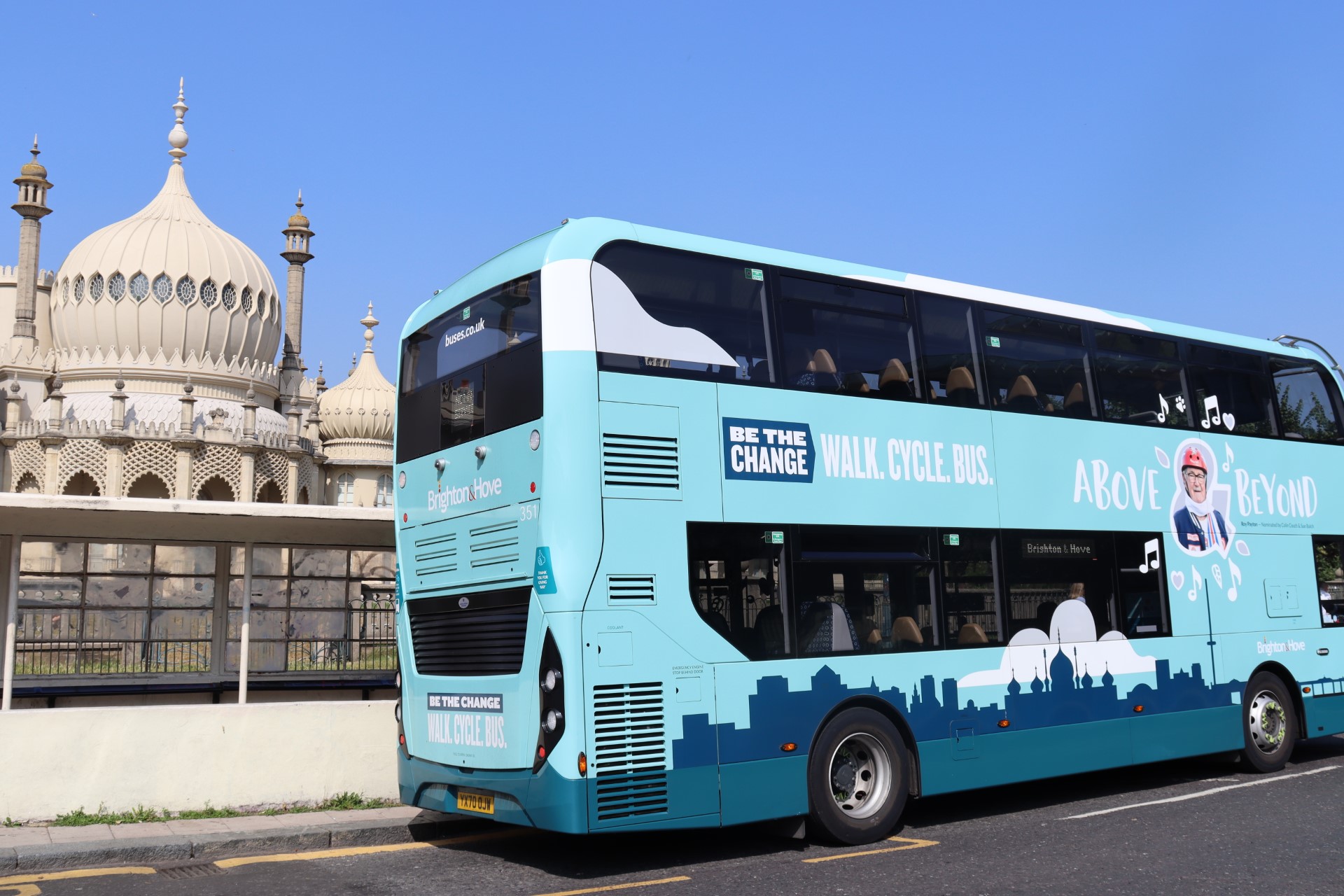
New bus fare rules redraw the line between child and adult pricing, leaving young university students navigating a sudden financial jump.
Before January, all 18-year-old university students in Brighton & Hove were eligible for child fares. During off-peak hours, that would mean paying as little as 50p for a journey within the city. However, due to recent changes, that same journey now falls under adult pricing, subject to the national £3 single fare cap.
From 1 January, child fares are now available only until 31 August following a young person’s 18th birthday. Once this date passes, they must pay adult prices for typical single or return tickets. The adjustment follows revisions to the Bus Service Improvement Plan funding and the private company’s annual fare review.
To put the change into perspective, two bus journeys per day total to £6. Over five days of lectures, that amounts to £30 per week. Under the previous off-peak child fare of 50p, that same week of travel could have cost as little as £5, a difference of £25.
Leila, a first-year History student commuting from central Brighton to Falmer, states her frustration at the change. “A few months ago, I was still paying child fares. Then suddenly I wasn’t. They asked for ID, as usual, but this time would not accept my age for a child ticket,” she says. She now taps on and off using contactless payment. “It adds up faster than you expect.”
For students with irregular timetables or part-time work, committing to a weekly or monthly pass can be challenging. A seven-day student citySAVER costs £19.60 and offers better value than paying daily capped fares, but requires an upfront payment and verification through the app.
Elliot, a Media student who works evening shifts in the city centre, says higher fares have not changed his travel habits; however, this is not because the increase feels manageable. Asked whether rising prices would stop him taking the bus, he replies: “No. There is no other choice.”
Walking from Falmer to Brighton is often unrealistic, and taxis are significantly more expensive. For many Sussex students, particularly first-years without cars, the bus is not a convenience but a necessity.
The increase also raises questions about Brighton’s environmental ambitions. Public transport is promoted as central to the city’s sustainability strategy, with Brighton & Hove Buses stating that one bus can remove up to 75 cars from the road. Yet, affordability plays a quiet role in whether public transport feels genuinely accessible.
Incremental fare rises, including short-hop journeys increasing from £1 to £1.30 in November, and the 1-day adult citySAVER increasing from £6 to £6.60, combined with the withdrawal of child pricing for university students, all contribute to the issue.
Brighton & Hove Buses say the updates reflect changes in council funding and annual reviews, and maintain that the £3 cap and discounted student tickets continue to protect passengers.
For young adults balancing rent, tuition, and the cost-of-living crisis, even incremental increases matter. In Brighton, the cost of growing up now includes a bus ticket at full price.
If you enjoyed this article, you may also like – House Hunting for Beginners
