

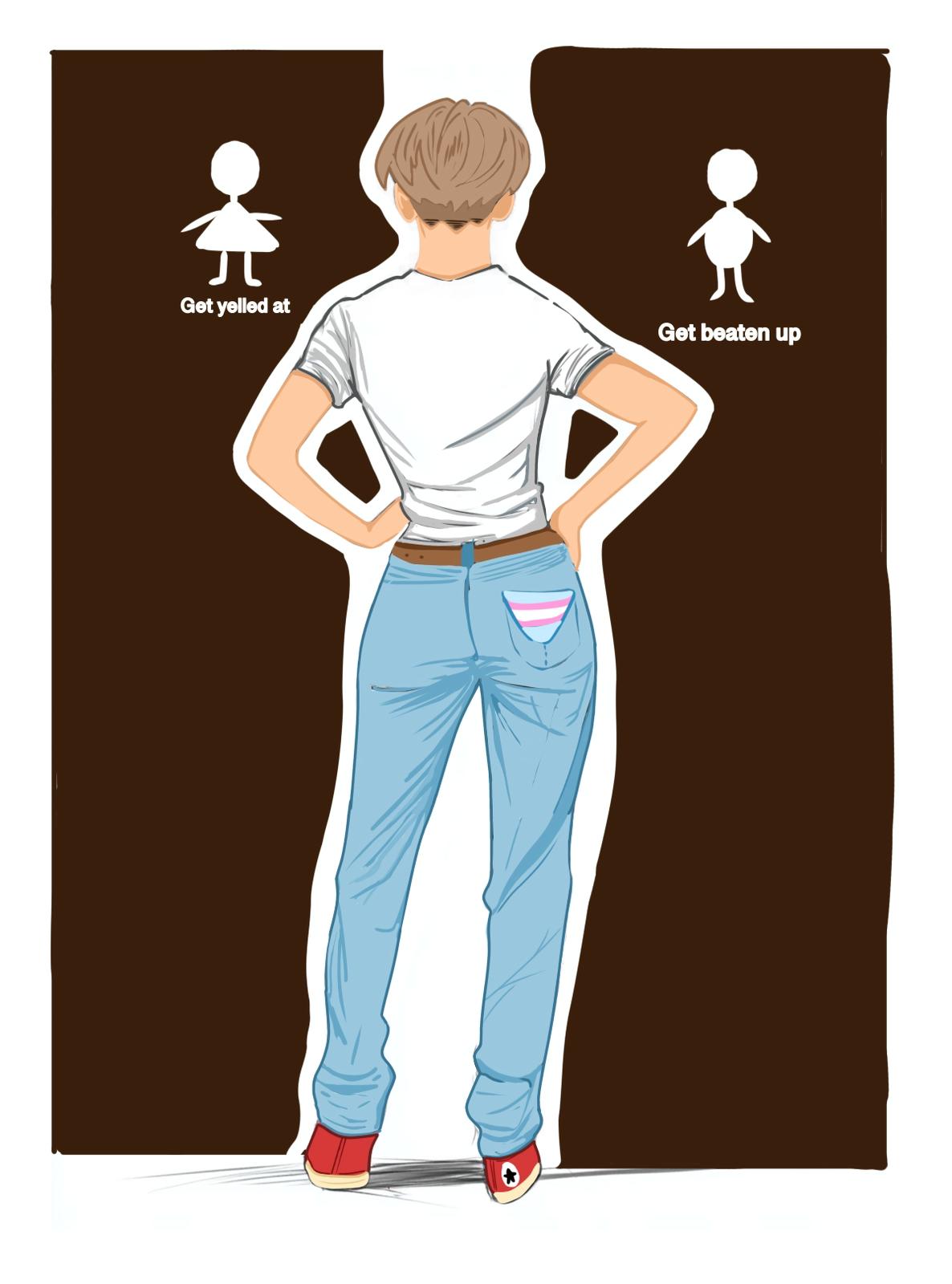
A heated local debate over trans-inclusive bathroom policies in Brighton & Hove schools has escalated after a parent threatened legal action, arguing that current guidance on bathroom access and gender identity in schools may be unlawful, infringing on parental rights.
At the heart of the dispute is Brighton & Hove City Council’s Trans Inclusion Schools Toolkit, a guidance document first published in 2021 and updated in subsequent years to help schools support transgender and gender-questioning pupils. The toolkit recommends that schools offer a “mixed model of provision”, including a combination of single-sex and gender-neutral facilities.
It encourages schools to consider the individual needs of pupils when organising access to bathrooms and other gender-sensitive spaces. Council officers have said they are not aware of evidence suggesting that allowing trans pupils to use facilities aligned with their gender identity poses a risk to other children.
At the heart of the dispute is Brighton & Hove City Council’s Trans Inclusion Schools Toolkit
However, a group of local parents, supported by the community organisation PSHEBrighton, has criticised the policy, calling it “unlawful” and, in their view, “dangerous” for other pupils. In correspondence circulated to schools, PSHE Brighton warned that following the council’s guidance could expose school governing bodies to legal challenges, asserting a senior barrister’s opinion that the toolkit “appears to be less compliant with the law than its predecessor.”
Legal Threat and Parent Concerns
In 2024, PSHEBrighton issued a warning schools regarding the Trans Inclusion Schools Toolkit claiming it was “known to be unlawful”, and claimed that head teachers and governors could be held ‘personally liable’, if they implement policies based on it. The group’s message asserted that the toolkit places schools at legal risk and that “just one parent or one member of staff can start legal proceedings now.”
The controversy intensified after a 75-page legal opinion by Karon Monaghan KC — a leading equality and discrimination barrister — criticised the toolkit, warning that it could potentially breach equality and human rights laws. Though no rulings have been made on the matter.
The opinion warned that aspects of the guidance may conflict with legal protections for pupils and could make schools vulnerable to legal action. This opinion was commissioned by a Brighton family concerned that a school which they claimed had facilitated their child’s social transition without parental consent.
Council officials and many educators argue that inclusive policies serve to protect transgender and gender-questioning pupils
Some parents involved in the dispute argue that schools should not facilitate gender transitions or allow access to gender-aligned bathrooms without clear parental involvement. They argue that schools should focus on safeguarding all pupils and that policies leading to unspecified changes in bathroom access or pronoun use can be confusing and potentially unlawful.
Council and Supporters Respond
Brighton & Hove City Council has defended the toolkit and the proposed approach. A council spokesperson emphasised that the original guidance was created to support schools in navigating this complex area and that the review of the toolkit is routine. They have also committed to wider consultation with schools, families, young people and the public.
Council officials and many educators argue that inclusive policies serve to protect transgender and gender-questioning pupils, who, like all students, have legal protections under the Equality Act 2010. Under this Act, discrimination against pupils on the basis of gender reassignment is unlawful, and schools are required to consider carefully how facilities are provided to ensure that they comply with legal duties.
Supporters of trans-inclusive policies also argue that exclusionary practices can cause harm. For example, forcing a pupil to use facilities misaligned with their gender identity can lead to social exclusion and distress, and even health risks if pupils avoid using toilets during the school day.
The Broader Debate on Single-Sex versus Trans Inclusive Facilities
The issue taps into a wider national conversation on how schools balance single-sex privacy rights with transgender inclusion. National guidance — including draft government proposals on gender-questioning children — has been criticised by some councils, including Brighton & Hove, for unclear wording or legal risks, potentially putting schools in a difficult position.
Critics of inclusive bathroom policy often raise concerns about safeguarding and privacy. Some argue that allowing children to use facilities that correspond to their gender identity could create uncomfortable situations for other pupils. Advocates for stricter single-sex provision reference legal requirements, such as the School Premises (England) Regulations 2012, which generally require separate facilities for boys and girls, with specific exceptions.
At the same time, those in favour of inclusive spaces point to the importance of allowing transgender pupils to express their gender identity. They argue that inclusive bathroom options — alongside single-sex facilities — help reduce stigma, support mental health, and align with the rights of pupils under the Equality Act. Most inclusive guidance encourages schools to carry out equality impact assessments to mitigate any negative consequences of changes while supporting all pupils equitably.
Community Reaction and Student Voices
Locally, the debate has divided opinion. Some parents and community members are outspoken in their opposition, arguing that schools overstep their authority and that parents should have greater control over how their children’s gender issues are handled. Others — including LGBTQ+ advocacy groups and many students themselves — feel that inclusive policies are vital to ensure that all children feel safe and accepted at school.
Those in favour of inclusive spaces point to the importance of allowing transgender pupils to live authentically.
Trans, non-binary students, and their supporters highlight that access to bathrooms that reflect their gender identity isn’t just a symbolic issue — it affects their daily comfort, dignity and wellbeing. Critics of exclusionary practices often cite cases elsewhere in the country where rigid bathroom policies left trans pupils feeling isolated or unwilling to fully participate in school life.
Next Steps: Consultation and Legal Uncertainty
Brighton & Hove City Council’s ongoing review of the Trans Inclusion Schools Toolkit is expected to include broader public consultation later this year, giving an opportunity for debate and feedback from various stakeholders, including parents, educators, relevant professionals, and young people themselves.
Whether the threatened legal action materialises remains unclear, but its existence highlights the legal uncertainty and emotional intensity surrounding trans-inclusive policies in educational settings. As the law continues to be interpreted and challenged across the UK, schools find themselves navigating a complex landscape where safeguarding, equality rights, and parental concerns intersect.
For now, the Brighton community remains divided. What is clear is that discussions about bathroom access and trans inclusion are not going away anytime soon — and how they are resolved will have a lasting impact on students across the city.
Another article you may enjoy: https://thebadgeronline.com/2026/02/graffiti-targeting-reform-society-appears-on-sussex-campus/
