

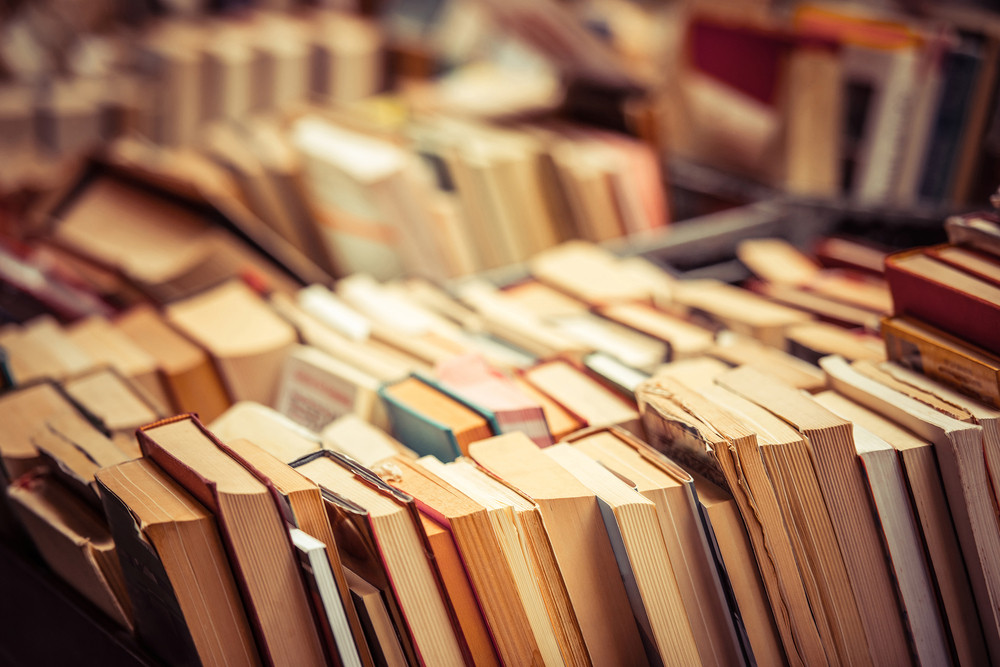
“You have to choose your battles” is what my friend said to me, as we spoke about the environmental impact of our respective lifestyles. “I agree,” I replied, “and reading books is surely not impactful enough to worry about too much.”
Both of us, as individuals who have made lifestyle changes to reduce our environmental footprint, agreed that our sacred hobby of reading was not worth worrying about. We both made this judgement based on little evidence, only the idea that ‘surely it can’t be that bad’.
Whilst governments and corporations, with their vast resources and power, ought to bear the primary responsibility in saving the planet, many individuals (such as myself, my friend, and many of the residents of this city) are concerned by the lack of urgency on display.
As my friend says, “you have to choose your battles”; it is not possible or even fair to the individual consumer to leave a ‘perfect’ environmental footprint. However, it is important and rather interesting to be aware of the environmental impacts of various hobbies and lifestyle choices. The desire to be informed on this matter is what led me to research and write this article. I wanted to be able to share my findings with readers, both to spark interest and to inform.
So what is the environmental footprint of reading? The answer, rather predictably, is that it depends. For a start, there are many different formats. Perhaps you are reading this article in the print edition of The Badger, or perhaps you are reading it online. Reading in print uses up paper and ink, with the printing process itself using some energy. Meanwhile, digital reading (including audiobooks, e-readers, etc.) can involve the running costs of data storage, as well as the potentially polluting manufacturing of devices.
In addition, what one is reading is significant. A work of fiction printed in paperback could last decades or even centuries, with the lasting value to be resold in second-hand bookshops many times over. However, unless kept for archival purposes or historical intrigue, a newspaper or magazine will likely remain relevant for a much shorter period of time, and is thus closer to being ‘single-use’.
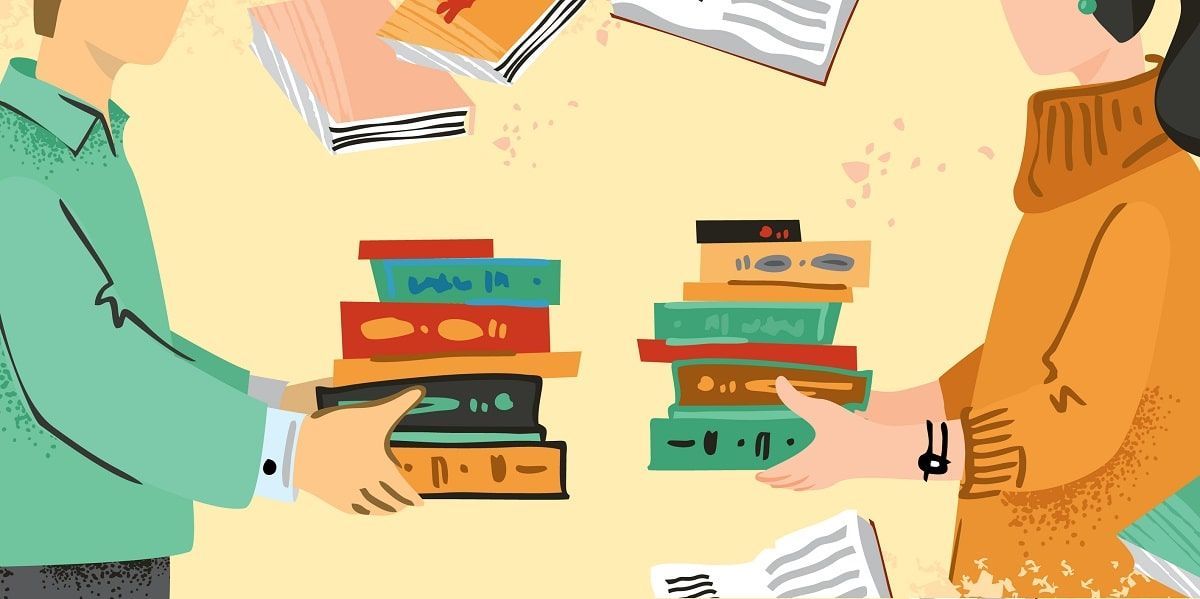
With all these different factors, it is useful to narrow down a little. I will focus on the type of reading that applies to myself, and most readers I know personally – buying new and second-hand physical paperback and hardback books.
An estimate by Mike Berners-Lee puts the climate impact of a ‘typical paperback book’ at around 1 kg CO2e. This puts a new book roughly equivalent to two lattes. Relatively small, when you consider the potential impact and lifespan of a good book.
What about the paper? Does a habit of buying new books contribute to deforestation?
The majority of new books from large publishers use FSC (Forest Stewardship Council) certified paper, which requires wood that ‘supports responsible forestry’. However, various NGOs, including Greenpeace, have accused FSC of greenwashing, casting some doubt on how ‘sustainable’ the paper in our books really is.
This is the impact of new books. It goes without saying, however, that books can be bought second-hand or borrowed from libraries. My friend’s and my assessment of the impact of reading was made in large part based on the fact that we both buy the vast majority of our books second-hand. As for the impact of new books, it seems our intuition was right on it being ‘not too bad’ for the environment, all things considered.
I will continue to buy used books where I can, but certainly won’t feel any guilt when buying books new. Given the relatively small footprint of books, if I were to change how I buy books, it would most likely be for my bank account rather than the environment.
Another article you may enjoy: https://thebadgeronline.com/2025/12/escapism-season-why-we-read-differently-in-winter/
