

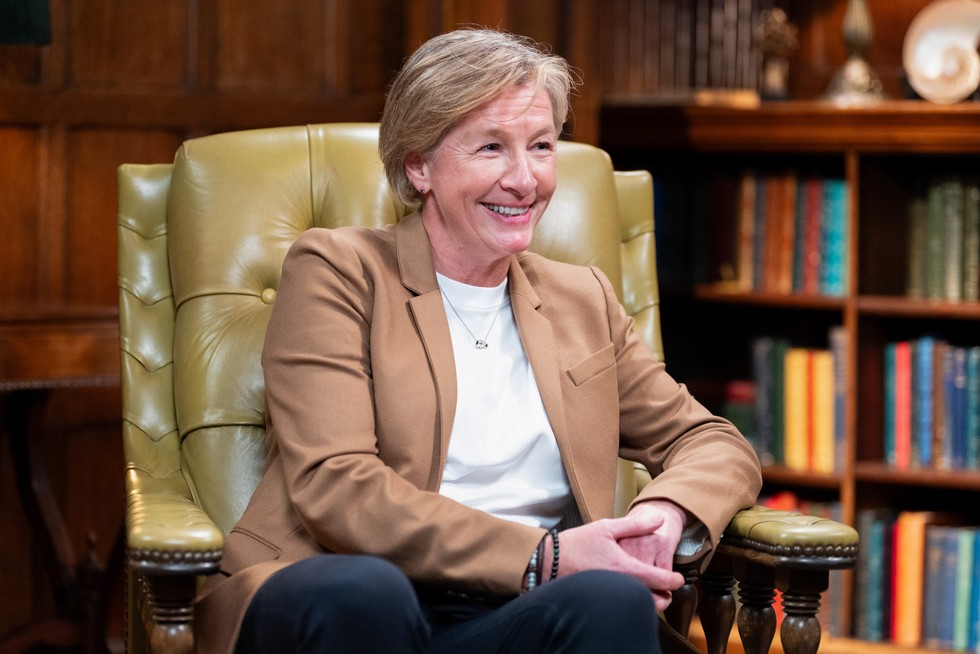
Reality television often feels far removed from student life. Lavish settings, exaggerated drama, and contestants who seem nothing like the people we know can make shows entertaining but hard to relate to. That’s why Amanda, a recent contestant on the BBC’s The Traitors, stood out. As a retired police detective now living in Brighton, she brought a grounded, authentic presence to a programme built on suspicion, unexpectedly resonating with a student audience.
Amanda, 57, hails from Bolton but has settled in Brighton after retiring from the Metropolitan Police, where she spent decades as a detective. Her career of reading people, spotting inconsistencies, and making high-stakes decisions under pressure makes her not only perfectly suited for The Traitors but also highly relatable for us students facing exams, group work, and the future.
Yet watching Amanda on the show was a reminder that expertise doesn’t always guarantee control. Cast as a Faithful, she chose not to reveal her policing background to most of the group, aware that being labelled “too clever” could quickly turn others against her. In the same way, we students often find ourselves downplaying our abilities to avoid standing out too much — a strategy that doesn’t always work.
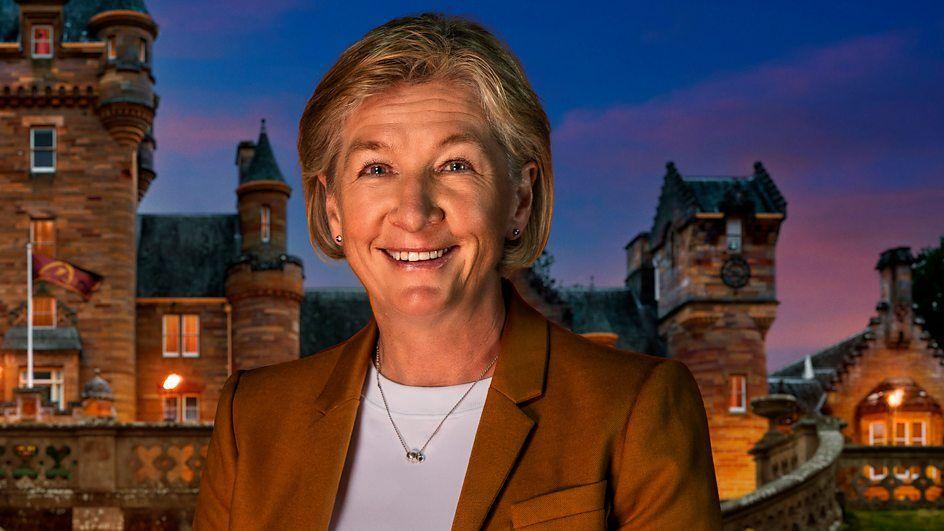
Amanda’s exit from the show came after a tied round-table vote, resulting in her banishment. Rather than reacting with anger or defensiveness, she left with dignity, thanking her fellow contestants and wishing them well. In a genre that thrives on dramatic confrontations, this moment felt refreshingly human. Amanda’s calm response demonstrated an alternative way of handling conflict for a generation of students used to online pile-ons, public call-outs, and high-pressure environments.
Beyond the show, Amanda’s life in Brighton presents a version of success that feels particularly relevant to Sussex students navigating uncertain futures. Since retiring, she has dedicated much of her time to volunteering, supporting vulnerable people, including those with dementia or disabilities. Brighton’s strong community culture is central to her post-career life, challenging the idea that fulfilment only comes from constant progression or professional status.
This is reassuring for students facing intense pressure to “have it all figured out” by graduation. Amanda’s journey suggests that life doesn’t move in a straight line, and that purpose can be found — or rediscovered — at any stage.
One of the most striking parts of Amanda’s story emerged off-screen. During routine medical checks required for The Traitors, she was diagnosed with a serious heart condition that had previously gone unnoticed. Since then, she has spoken openly about the experience and has become an advocate for heart health awareness. For students, who often prioritise deadlines over wellbeing, this is a timely reminder of the importance of looking after our health, even when life feels too busy to pause.
What makes Amanda particularly compelling from a student perspective is not that she played the game perfectly, but that she approached it honestly. She didn’t perform a character for the cameras, and she didn’t sacrifice her values to stay longer in the competition. In a media landscape that often rewards loudness and controversy, her quieter presence felt real, raw, and meaningful.
Ultimately, Amanda may not have won The Traitors, but she offered something arguably more valuable: a reminder that integrity, community, and self-awareness matter, even in competitive environments. For students watching from lecture halls and shared flats, her story feels less like distant reality TV drama and more like a reflection of real-life challenges of navigating trust, managing pressure, and defining success on our own terms.
Another article you may enjoy: https://thebadgeronline.com/2026/01/reform-society-launch-triggers-campus-backlash/
