

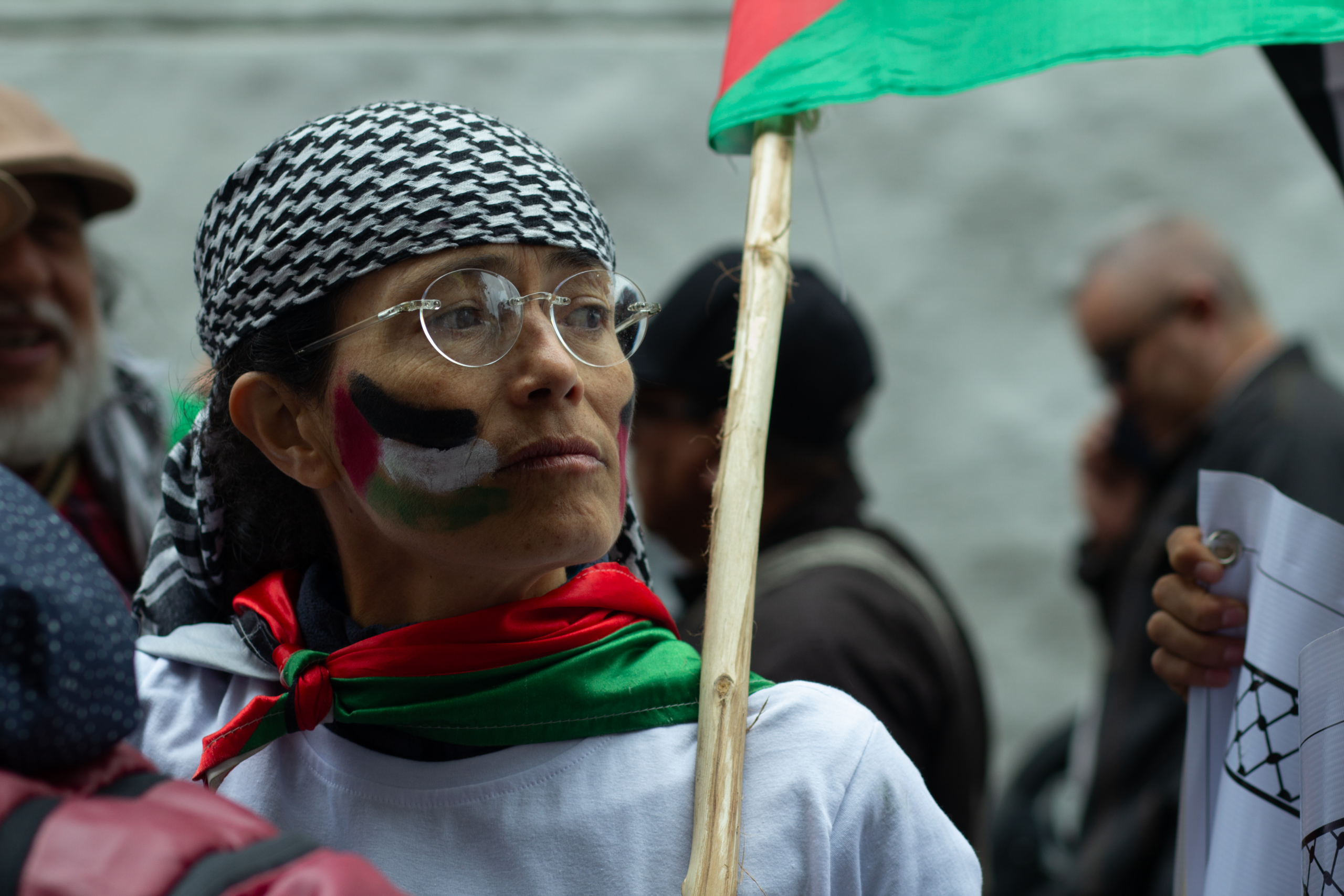
What began in a lecture hall debate at the University of Sussex has grown into an international movement. The student-founded campaign ‘Resist Glencore’ now unites indigenous communities in Colombia, with activists across Peru, the Democratic Republic of Congo, South Africa, and beyond, challenging the Anglo-Swiss mining behemoth over its open-cast coal operations. Once a local act of resistance, it has become a striking example of how homegrown student activism can echo across continents.
According to a recent study published by a University of Sussex lecturer, these Colombian communities are described as the victims of “extractivist genocide” – the way large-scale mining, oil, or gas projects can destroy lives, culture, and livelihoods of indigenous or local communities. “We know what it’s like when someone wants you erased from the map,” an indigenous leader told The Badger in Colombia this summer. Glencore, with operations spanning from Colombia to Australia, denies any wrongdoing. Yet its troubles do not end there.
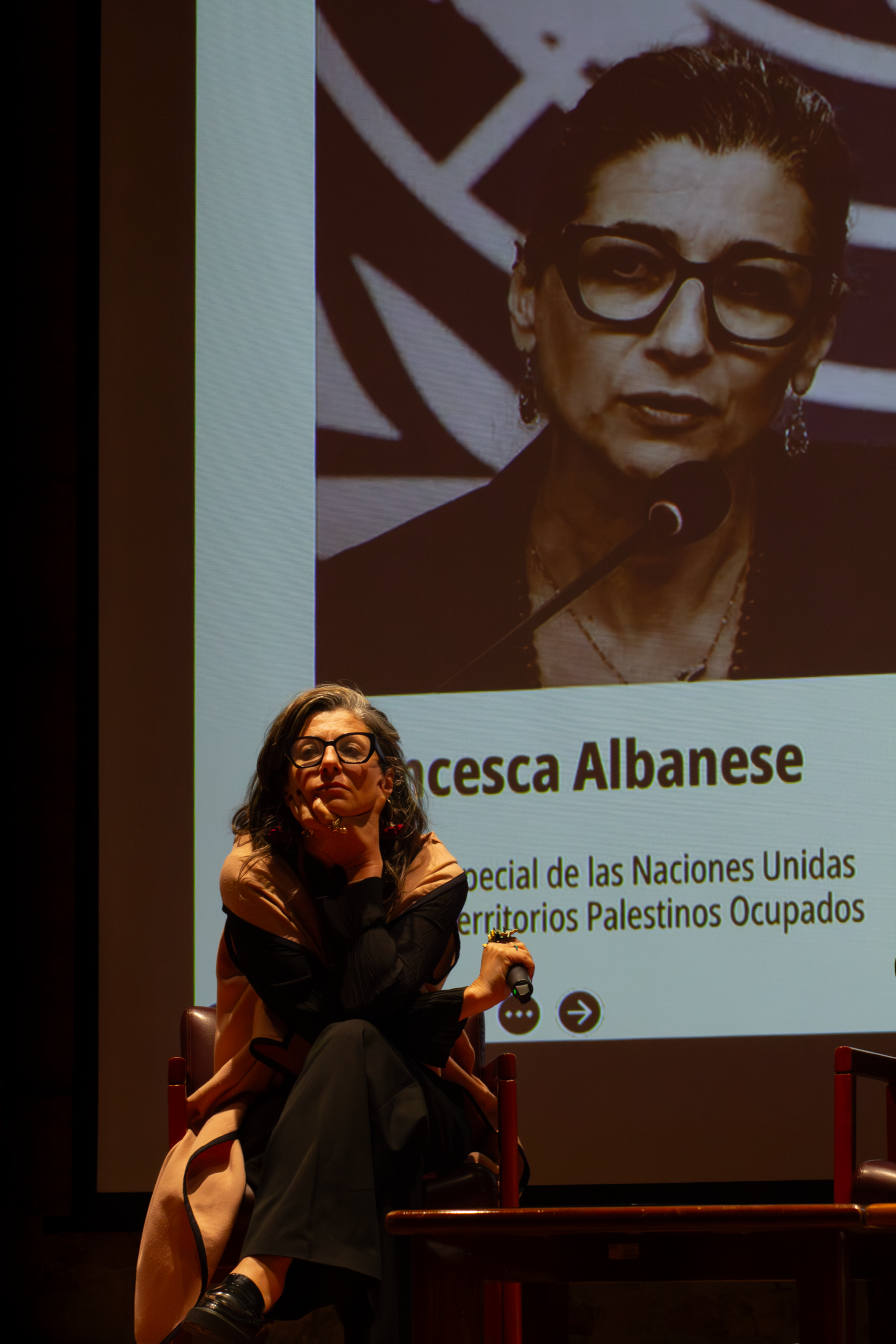
On 16 August 2025, nations convened in Bogota, Colombia, for an emergency meeting to address the suffering in Palestine. The significance is that United Nations Special Rapporteur Francesca Albanese recently unveiled her investigation into “Israel’s Economy of Genocide”, naming a plethora of major multinational companies that hold financial investment in the Israeli response. The UN report outlines Glencore’s role as the primary coal supplier to Israel, allegedly amounting to complicity in war crimes, an accusation the company denies.
The Hague Group, formed in January 2025 by countries of the Global South and co-chaired by Colombia and South Africa, held an emergency meeting in Bogota on the 15th and 16th of August to address the ongoing destruction and famine, according to UN-backed experts. In attendance were not only Ms Albanese, but also other global voices, such as the French-Palestinian member of the EU Parliament, Rima Hassen, and the UK MP Jeremy Corbyn.
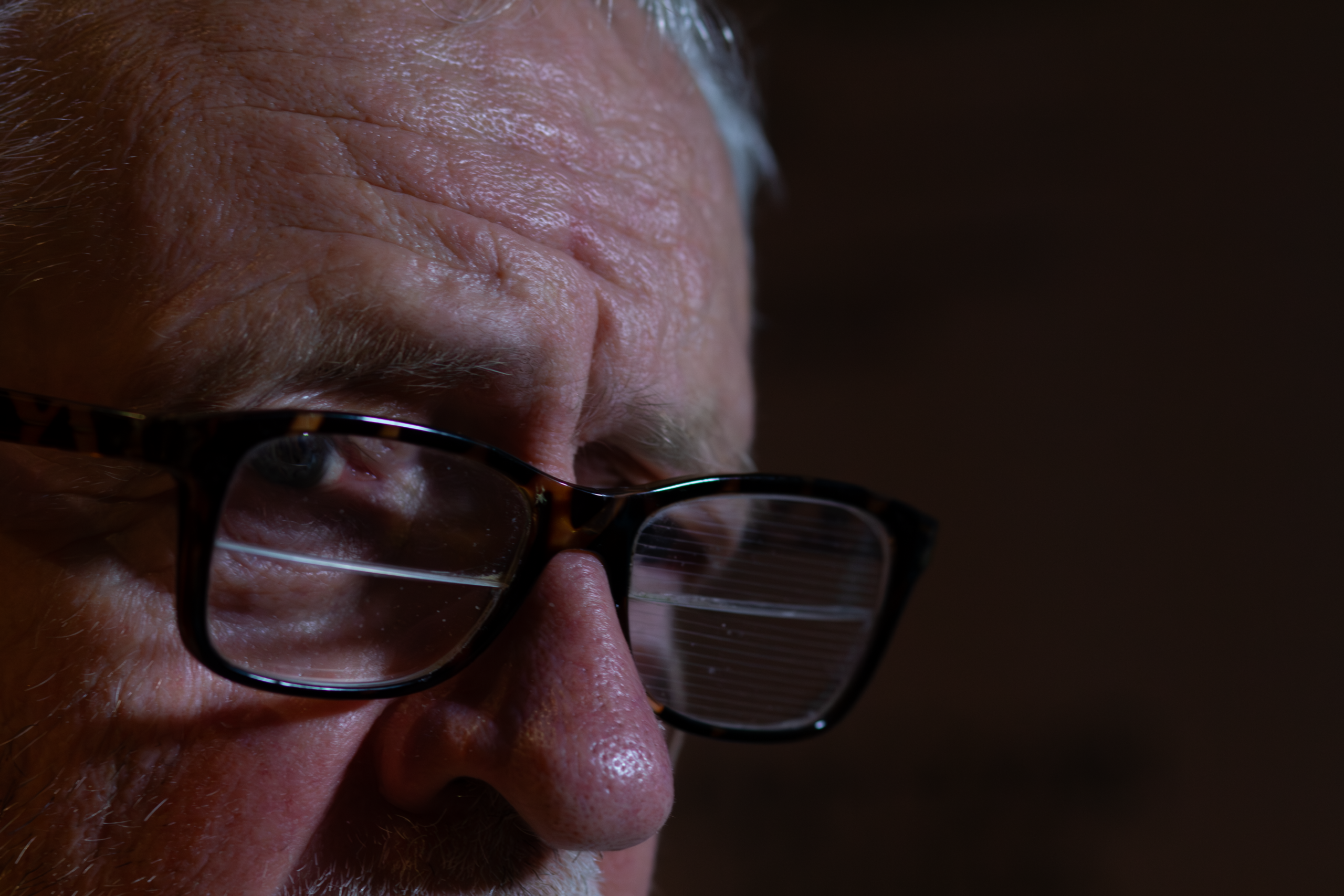
In exclusive interviews, both politicians raised concerns that students who support the Palestinian cause can face extreme prejudice, an issue they say is often overlooked.
When asked about the worries regarding bias on student career paths, Ms Hassen underlined that “Students must understand that we are at a point at which the world is changing. In every struggle, there comes a time when a generation pays the price for its resistance and resilience. We must resist these dictates to a career, to success based solely on salary, on reputation, on a highly individualistic path, and instead be a part of the state of the world”.
Mr Corbyn chose to focus more on the role our Union could play in this scenario. “If you believe in something, do it. If students are being attacked unfairly because they’re supporting Palestine, then it’s the duty of the Students’ Union to support them.”

Photos: Samuel Emmott Lozano
These surprising intercontinental ties, to say the least, facilitated by our student activism, really do go to show the importance of making the most of the unique resources and connections that students have access to during their time at university.
From UN Special Rapporteurs to Sussex Freshers, students are affected in varying ways by these international crises that seem to be blooming with increasingly blood-stained petals. ‘Resist Glencore’ continues to push its various teams and allies to oppose Glencore on many fronts, both in Britain and Colombia. Protests are organised, research is published, and meetings are held with hopes of growing the campaign above and beyond the seeds our student predecessors nurtured.
Meanwhile, Glencore mines on.
Another article you may enjoy: https://thebadgeronline.com/2025/12/caroline-lucas/
