

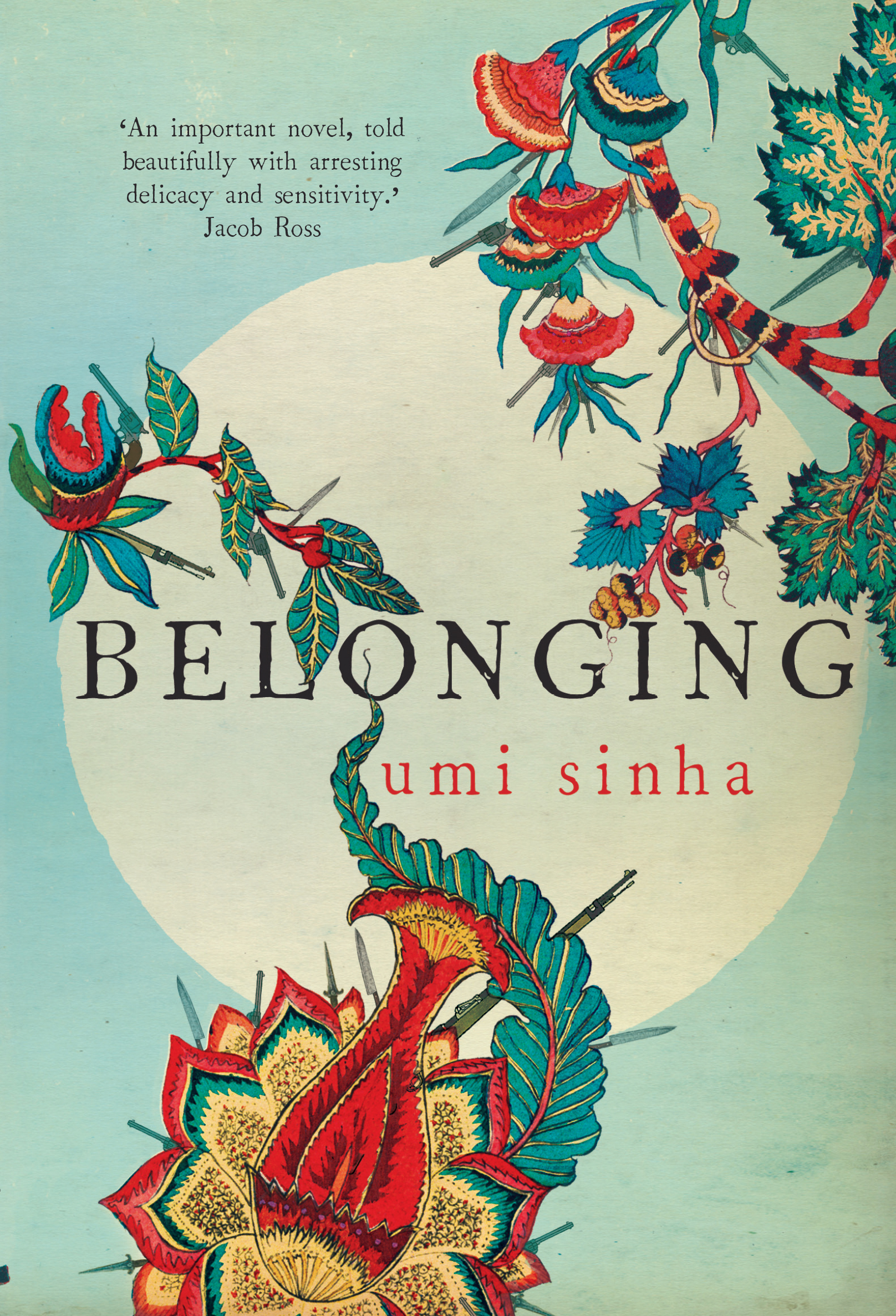
Belonging by Umi Sinha is a Sussex classic. The brainchild of a former Sussex lecturer, the book explores themes of identity, loss, and sense of self. Set between Brighton and the colonial British Raj, it tells the story of three generations’ connections, following childhoods spent in the South Downs and in cities across India and Pakistan. I was fortunate enough to receive a gift from my friend from India, who had gifted her sister’s copy. Both were Sussex students, for whom the connections between Brighton and India, and the themes of identity and belonging, may have felt especially pertinent.
The book is written through the perspectives of the grandmother, Cecily (as a young woman), the father, Henry (as a child and young man), and the granddaughter, Lila (also as a child and young woman). As the story unravels, family secrets are uncovered as once-mysteries are solved by different family members.
The twists are not shocking; rather, they are the sort that you realise made sense all along but likely did not guess. Each perspective is written differently, ranging from letters to diary entries to third-person narration. Each chapter shifts between these perspectives, creating a constant yet never overwhelming sense of mystery. By situating the narrators’ views of India and Pakistan as those of a family of British settlers deeply involved in the imperial project, the book does originally risk sounding quite colonial and dated.
However, Sinha is deliberate in countering this by exploring racism in the colonial structure or in the discriminatory treatment of a wealthy Indian student and love interest of Lila, ‘adopted’ by supposedly progressive British MPs. Sinha herself was born to an Indian father and British mother and grew up in Mumbai until the age of fifteen. The book carefully develops a critique of British rule, whilst exploring how children of colonisers could create a sense of belonging in the country in which they were raised.
As a history student and someone who grew up in rural Sussex, it was incredibly interesting getting to explore the local history around Brighton and the South Downs. For example, the book explores colonial connections, as I learnt of one of the leaders of the Revolt of 1857, Azimullah Khan, who stayed in a hotel in Devil’s Dyke. There are more local Brighton connections too, as I learnt of the tram line that used to run through Lewes Road.
Despite its severe and profound themes, the book is highly accessible and enjoyable, and does not demand an extensive prior understanding of the history of the colonial British Raj. I will, however, critique the way it portrays the 1857 Revolt. While Belonging makes no attempt to justify the actions of the British consciously, and does throughout critique the colonial regime in varied and nuanced ways, the portrayal of the revolt through one character’s perspective does seem to subconsciously lean into a narrative that the violence and brutality were started by the colonised, and not the result of a system of brutal colonialisation and collaboration.
Overall, despite this one gripe, the book was a gripping read that left a lasting impression, making it a brilliant choice for those with an interest in historical fiction or themes of belonging and identity. While my opinion of the book may be slightly biased due to my own connections with Brighton and rural Sussex, I found it to be an enjoyable read and would highly recommend it. For me, Belonging will be one of those novels I just keep coming back to – and I’m sorry to my friend and her sister, but they might not be getting their copy back anytime soon!
Another article you may enjoy: https://thebadgeronline.com/2025/11/chloe-michelle-howarth/
